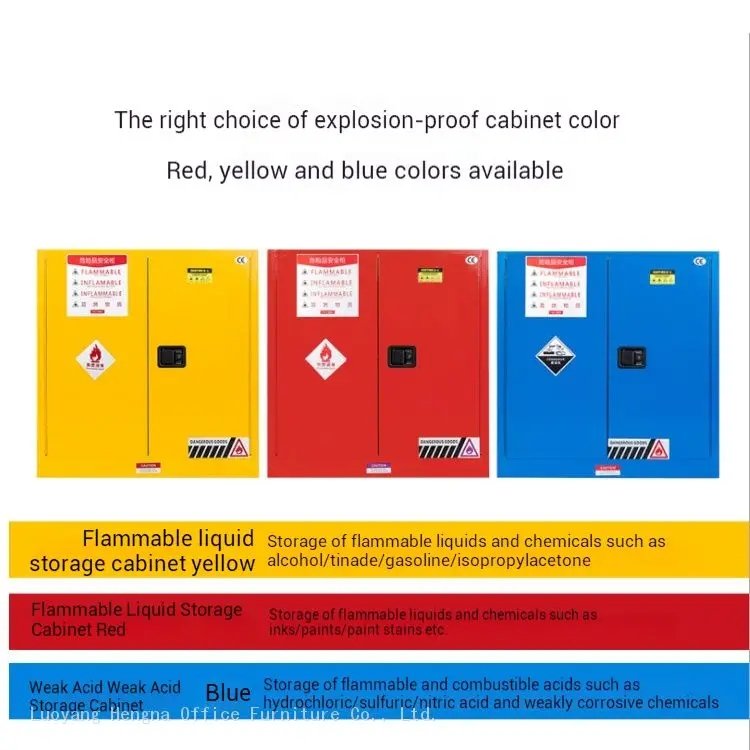
When it comes to chemical storage and safety, fire-proof cabinets are essential in minimizing risks and preventing accidents. However, choosing the right explosion-proof cabinet is not just about functionality; color plays a crucial role in ensuring safe and efficient storage. In many workplaces, especially labs and factories, cabinets are color-coded to represent different levels of risk associated with the chemicals stored inside. Yellow, red, and blue are the most common colors, and each corresponds to a specific category of chemicals. This article will guide you on how to choose the right explosion-proof cabinet color based on the chemical type, enhancing both safety and efficiency.
Why Is Color Important for Fire-Proof Cabinets?
Fire-proof cabinets are not only designed to prevent chemical reactions or explosions; their color codes also provide a visual system for identifying the contents and associated risks. With the right color-coded cabinets, staff can quickly locate and handle chemicals, which is crucial in emergency situations where every second counts.
Using the right color coding can:
- Improve Safety: Quickly identifies chemicals and their associated hazards.
- Enhance Organization: Helps manage chemical storage and reduce the risk of accidental mixing or misuse.
- Promote Efficiency: Saves time and reduces human error by ensuring workers can easily locate and store chemicals based on their risk category.
Now, let’s break down which chemical types belong to which colors and how these cabinets can help keep your workplace secure.
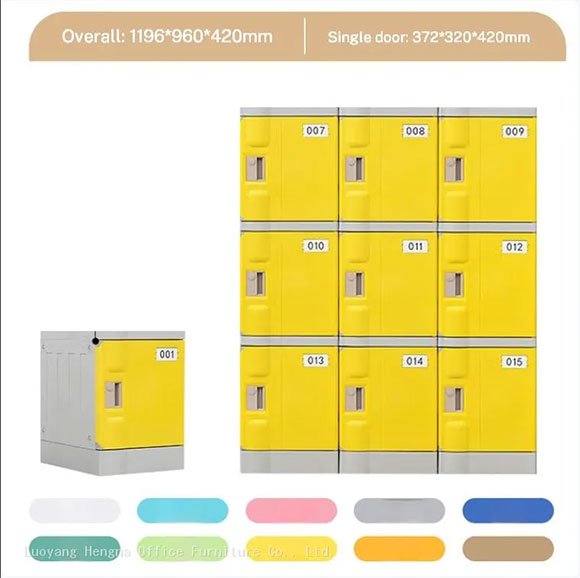
1. Yellow Fire-Proof Cabinets: For Flammable Liquids and Chemicals
Yellow is typically used for storing flammable liquids and chemicals. These substances are highly volatile and can easily combust or cause fires. Chemicals like solvents, alcohols, and paints are commonly stored in yellow explosion-proof cabinets.
Where Yellow Cabinets Are Used:
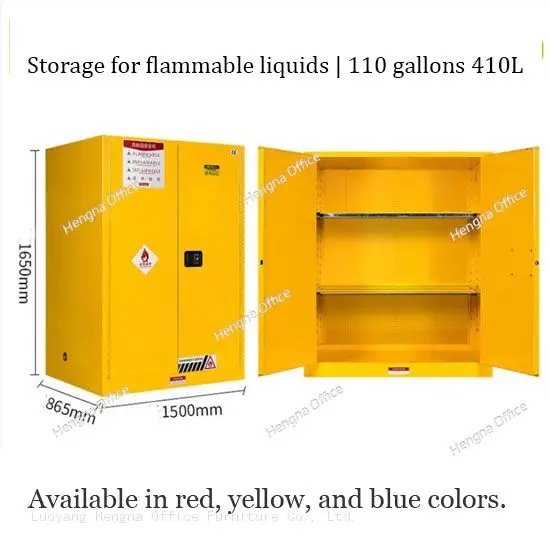
- Solvent Storage: Substances like acetone, ethanol, and methanol, which are highly flammable, are stored in yellow cabinets.
- Paints and Cleaning Agents: Many cleaning products and paints are made from flammable materials, so they should be kept in yellow cabinets.
- Flammable Gases: Certain gases, such as propane, can also be classified under this category, especially in industries like welding and construction.
Benefits of Yellow Fire-Proof Cabinets:
- High Visibility: Yellow is a bright and attention-grabbing color, which makes it easy for workers to quickly spot these cabinets and handle them carefully.
- Warning Significance: Yellow is universally associated with caution and danger, reminding staff to take extra care when handling the chemicals inside.
- Efficient Storage: Yellow cabinets often come with multiple shelves and compartments, allowing for the organized storage of various flammable liquids.
2. Red Fire-Proof Cabinets: For Highly Dangerous Chemicals and Reactants
Red fire-proof cabinets are used for storing highly hazardous chemicals, such as explosive materials, strong oxidizers, and highly reactive substances. These chemicals are often extremely dangerous and can cause significant damage if not stored properly.
Where Red Cabinets Are Used:
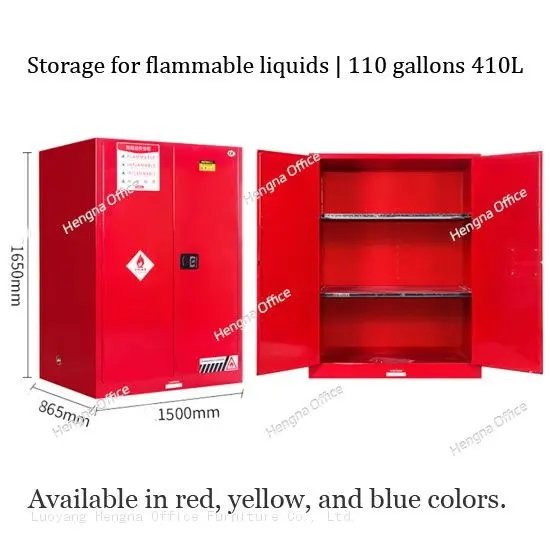
- Oxidizers and Reactants: Chemicals like hydrogen peroxide, potassium permanganate, and sodium nitrate belong in red cabinets. These substances can cause violent reactions when they come into contact with other chemicals or environmental conditions.
- Explosives: Materials like dynamite or some highly reactive compounds are stored in red cabinets, which are designed to minimize the risk of accidental explosions.
- Highly Hazardous Chemicals: Some chemicals used in laboratories, such as strong acids or bases, fall into this category and should be stored in red cabinets for maximum safety.
Benefits of Red Fire-Proof Cabinets:
- Clear Warning: Red is the color most strongly associated with danger and emergency, making it the best choice for high-risk chemicals.
- Stronger Security Features: Red cabinets typically come with reinforced doors and more stringent locking mechanisms to prevent accidental exposure to dangerous substances.
- Ensures Safety in Critical Environments: Used mainly in industrial and laboratory settings, red cabinets are designed to handle the most hazardous materials safely.
3. Blue Fire-Proof Cabinets: For Neutral and Common Chemicals
Blue explosion-proof cabinets are used for storing neutral chemicals and substances that are not as dangerous as flammable or explosive materials but still require proper storage and handling. These materials are typically less reactive and can be safely stored without the high security measures found in yellow or red cabinets.
Where Blue Cabinets Are Used:
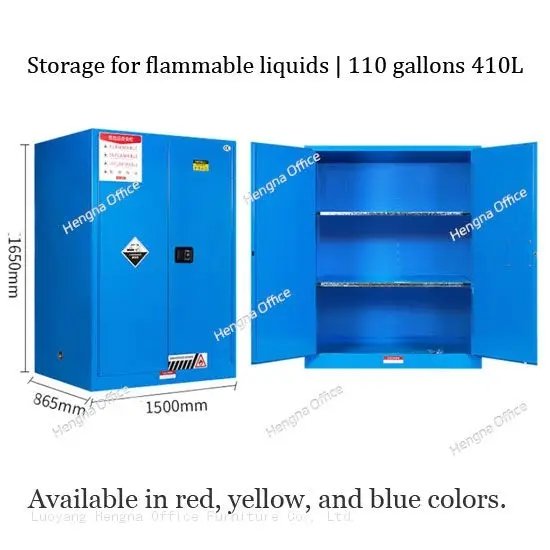
- Standard Chemicals: Common chemicals such as salt solutions, acids like acetic acid, and other non-volatile substances are often stored in blue cabinets.
- Routine Lab Chemicals: Blue cabinets are ideal for storing chemicals commonly used in laboratories that do not present immediate risk, such as non-hazardous reagents and diluted solutions.
- Non-Flammable Liquids: Substances that are not flammable or reactive, like some types of laboratory solvents, are safely kept in blue cabinets.
Benefits of Blue Fire-Proof Cabinets:
- Calm and Orderly: Blue is often associated with stability and calm, making it an ideal color for chemicals that pose minimal risk but still require careful handling.
- Cost-Effective: Blue cabinets generally feature lower security requirements than red or yellow models, making them a more affordable option for storing standard materials.
- Organized Storage: These cabinets often feature adjustable shelving and ample space for various chemicals, allowing for effective organization.
How to Choose the Right Explosion-Proof Cabinets Color for Your Chemicals
When selecting an explosion-proof cabinet for your workplace, consider the following factors:
1. Chemical Type:
- Flammable Liquids & Chemicals: Opt for yellow cabinets.
- Highly Reactive & Explosive Materials: Choose red cabinets.
- Neutral & Routine Chemicals: Blue cabinets are most suitable.
2. Workplace Safety Requirements:
Ensure that your workplace’s safety protocols are aligned with the cabinet color coding. OSHA and other regulatory bodies often recommend specific color coding for chemical storage based on the substances you work with.
3. Regulatory Compliance:
Always ensure that the cabinet meets the standards set by safety organizations such as OSHA, NFPA (National Fire Protection Association), or other relevant local bodies. The cabinets should be UL-listed and approved for storing hazardous materials.
Conclusion
Choosing the right color for your explosion-proof cabinets is essential for the safe and efficient storage of chemicals. By using yellow, red, and blue cabinets correctly, you can quickly identify the potential risks of different substances and ensure proper safety measures are in place.
- Yellow is ideal for storing flammable liquids.
- Red is used for highly dangerous chemicals that require more stringent safety measures.
- Blue is best for neutral and non-reactive chemicals that need safe, routine storage.
By color-coding your explosion-proof cabinets, you not only comply with safety standards but also reduce the likelihood of accidents in the workplace.