When it comes to storing hazardous materials, safety is always the top priority. Explosion-proof cabinets are a crucial part of maintaining a secure environment, especially when handling flammable, volatile, or reactive chemicals. However, the cost of explosion-proof cabinets can vary significantly depending on the features and specifications you choose. For businesses with a limited budget, selecting the most cost-effective model without compromising on safety or compliance can be a challenge.
This article will guide you through the process of choosing the best explosion-proof cabinet for your needs while considering your budget. We’ll break down the different models and their features based on various usage scenarios, helping you find the most cost-effective solution for your specific requirements.
What Are Explosion-Proof Cabinets and Why Are They Important?
Explosion-proof cabinets are specialized storage units designed to contain hazardous chemicals and prevent fires or explosions. These cabinets are built to withstand high temperatures, pressure, and even explosions, depending on the material and safety requirements.
They are crucial in environments where volatile chemicals are present, such as:
- Chemical labs
- Manufacturing plants
- Pharmaceutical and healthcare settings
- Industrial workshops
Explosion-proof cabinets help minimize the risks of chemical spills, leaks, and reactions, ensuring that hazardous substances are stored safely.
Key Factors to Consider When Choosing an Explosion-Proof Cabinet
Before you make a purchase, it’s important to consider several factors to ensure you’re getting the best value for your money. These factors include:
- Chemical Type and Hazard Classification
Different chemicals have different storage requirements. Some chemicals may only require basic containment, while others need advanced features like fire resistance, air ventilation, or blast-proof walls. Knowing the type of chemicals you’ll be storing will help determine the features your cabinet needs. - Size and Storage Capacity
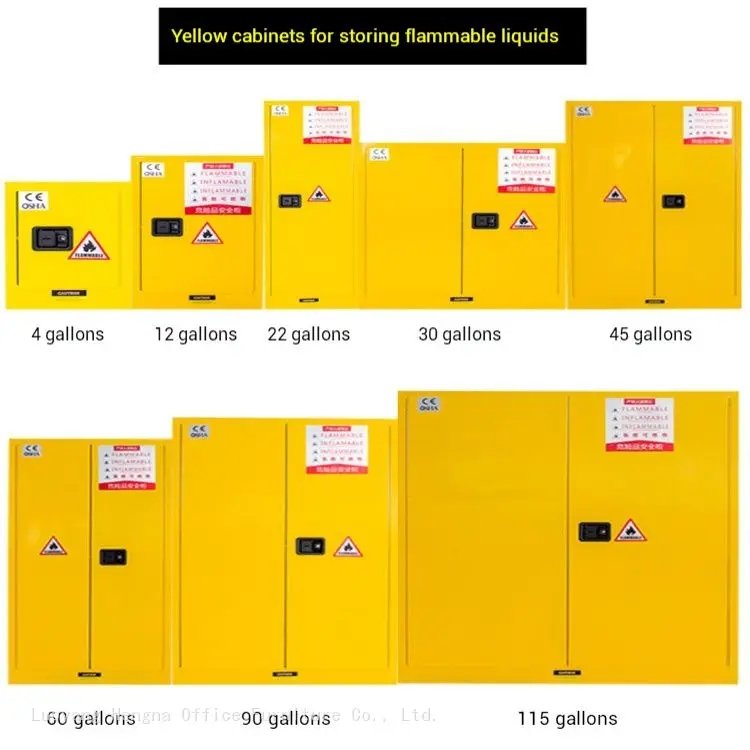
The cabinet’s size should be determined by the quantity of chemicals you plan to store. Be sure to choose a model that offers enough storage space without being unnecessarily large, as this will directly affect the cost. - Compliance with Safety Standards
Ensure that the explosion-proof cabinet complies with national safety standards such as OSHA (Occupational Safety and Health Administration) or NFPA (National Fire Protection Association). Compliance may increase the cost, but it is critical for workplace safety and legal requirements. - Ventilation Features
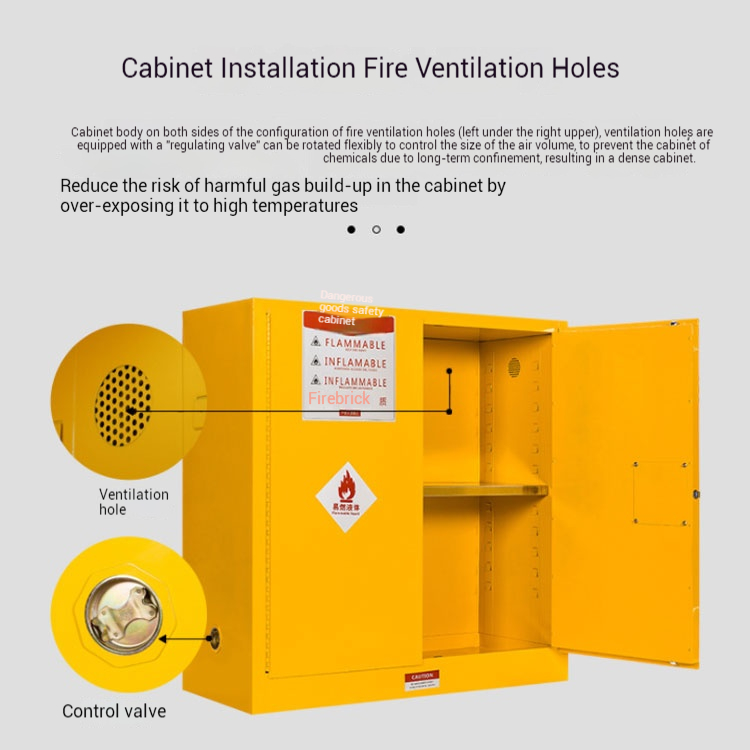
Depending on the chemical type, ventilation may be necessary. Cabinets with ventilation systems help to prevent the buildup of harmful gases. However, these models tend to be more expensive, so weigh the necessity of ventilation based on your chemical storage needs. - Material and Durability
Explosion-proof cabinets are typically made from steel, often with a fire-resistant lining. The material quality impacts the durability and fire resistance of the cabinet. A higher-quality material, such as cold-rolled steel, may increase the price, but it also ensures longevity and better protection.
Cost-Effective Explosion-Proof Cabinets for Different Usage Scenarios
Now that we’ve covered the essential factors to consider, let’s dive into the different models and how they perform based on specific usage scenarios. We’ll also highlight budget-friendly options for each situation.
1. Small-Scale Chemical Storage in Laboratories
Best Model: Basic Explosion-Proof Cabinets with Manual Shelves
For small laboratories or spaces where you only need to store a limited amount of chemicals, a basic explosion-proof cabinet with manual shelves is often the most cost-effective choice. These cabinets typically come in smaller sizes and offer the necessary protection for low quantities of chemicals.
Features to Look For:
- Manual operation for easy storage and retrieval
- Steel construction for durability
- Basic fire resistance (usually up to 90 minutes)
Why It’s Cost-Effective:
Basic cabinets have fewer features, which keeps costs down. They are usually sufficient for laboratories storing small quantities of chemicals like solvents, acids, and bases, which don’t require complex ventilation systems.
Ideal For:
- Educational institutions or small laboratories
- Facilities with a limited budget but still require compliant chemical storage
2. Medium-Sized Chemical Storage for Small Businesses
Best Model: Explosion-Proof Cabinets with Adjustable Shelves and Secondary Containment
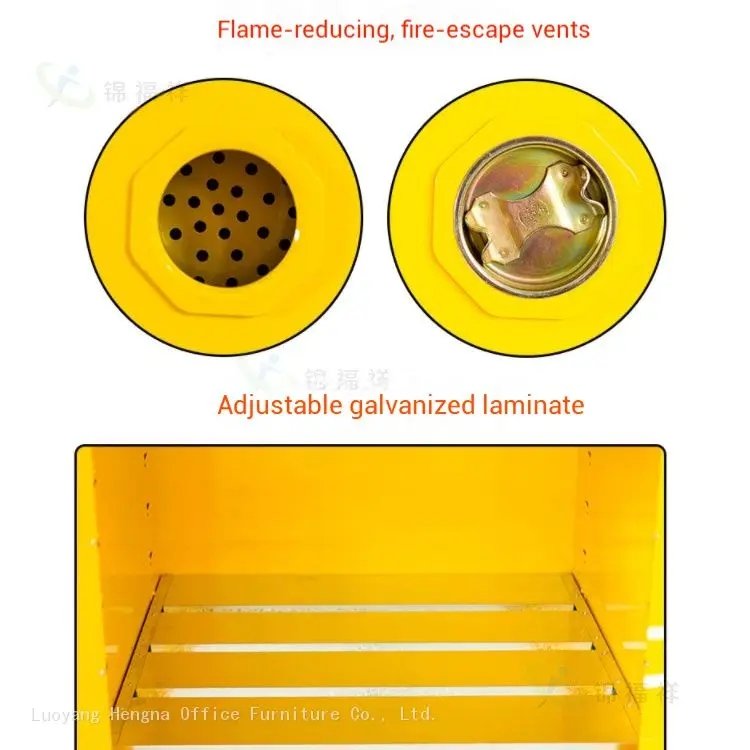
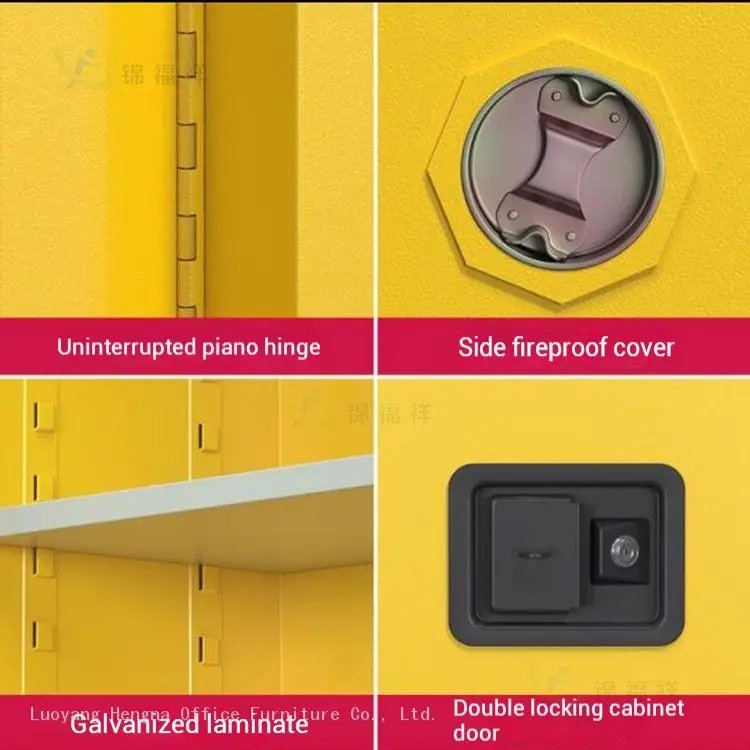
For small businesses handling a moderate quantity of hazardous chemicals (such as paints, solvents, and cleaning agents), an explosion-proof cabinet with adjustable shelves offers a balance of cost and functionality. Adjustable shelves provide flexibility in organizing different sized containers, while secondary containment systems help prevent leaks.
Features to Look For:
- Adjustable shelving for flexible storage options
- Secondary containment to catch spills or leaks
- Basic fire resistance and explosion-proof design
Why It’s Cost-Effective:
This model is priced mid-range because it offers additional features like adjustable shelves and containment, which are important for versatile storage but do not require high-end ventilation or blast-proof features. It provides solid protection without the added costs of more complex systems.
Ideal For:
- Small businesses in the manufacturing, cleaning, or automotive industries
- Companies needing reliable storage for moderate quantities of chemicals
3. Large-Scale Chemical Storage in Industrial Facilities
Best Model: Heavy-Duty Explosion-Proof Cabinets with Fire Protection and Ventilation
For industrial facilities that handle larger quantities of chemicals or highly volatile substances, investing in heavy-duty explosion-proof cabinets with fire protection and ventilation is crucial. These cabinets are more expensive, but they provide the highest level of safety for environments that deal with flammable and explosive chemicals.
Features to Look For:
- Fire-rated construction (up to 2 hours)
- Built-in ventilation systems to disperse fumes
- Reinforced steel structure for added durability and safety
Why It’s Cost-Effective:
While this model is more expensive due to its advanced features, it’s necessary for businesses that deal with high-risk chemicals. Investing in a higher-end model ensures compliance with safety regulations and prevents costly accidents in the long term.
Ideal For:
- Large manufacturing plants or chemical processing facilities
- Businesses handling high volumes of dangerous chemicals like solvents, gases, or explosives
4. Low-Risk Chemical Storage (Non-Flammable)
Best Model: Basic Steel Cabinets with Simple Locking Mechanism
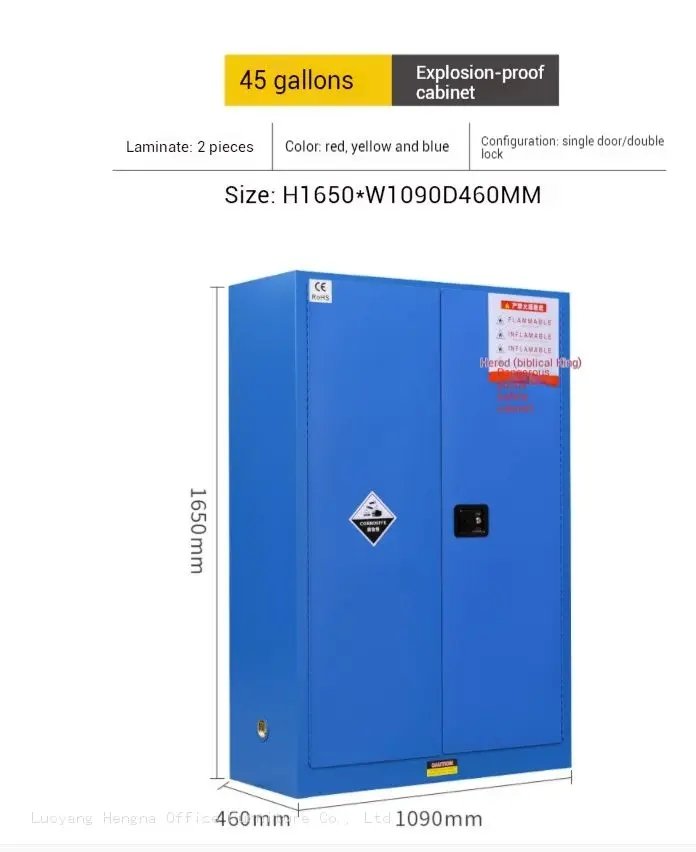
For chemicals that are not highly volatile or flammable (like mild cleaners or common laboratory reagents), a basic steel cabinet with a simple locking mechanism is sufficient. These models are the most affordable and still provide basic containment to prevent accidental access.
Features to Look For:
- Steel construction for durability
- Basic lock system for secure storage
- Non-flammable material storage (for low-risk chemicals)
Why It’s Cost-Effective:
These cabinets are the least expensive, as they don’t require special fire resistance, ventilation, or blast-proof features. They’re ideal for low-risk chemical storage where safety is still important but advanced features are not necessary.
Ideal For:
- Offices or smaller facilities that store mild chemicals
- Businesses looking to keep costs low while ensuring safe storage
Conclusion
Choosing the most cost-effective explosion-proof cabinet model depends heavily on your specific usage scenario. Whether you’re running a small laboratory or managing a large industrial facility, it’s crucial to balance your safety requirements with your budget. Here’s a summary of the best options based on your needs:
- Small-scale labs: Basic, manual explosion-proof cabinets
- Medium-sized businesses: Cabinets with adjustable shelves and secondary containment
- Industrial facilities: Heavy-duty, fire-resistant cabinets with ventilation
- Low-risk chemical storage: Basic steel cabinets with simple locks
By understanding your needs and selecting the right features, you can find an explosion-proof cabinet that fits both your budget and safety requirements.