Introduction
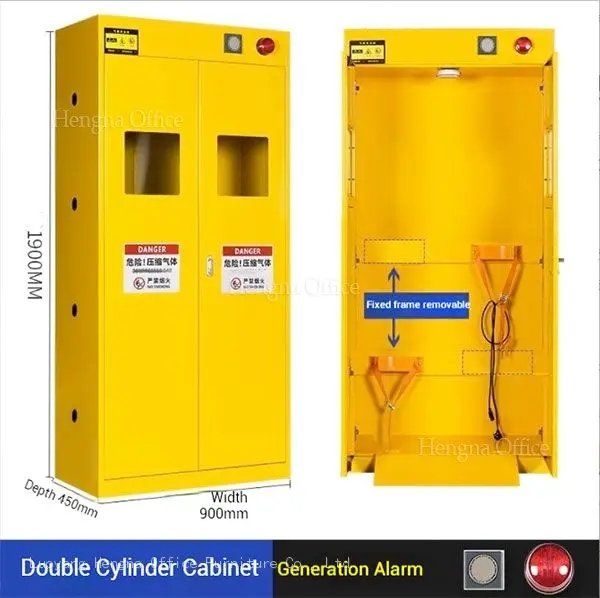
In laboratory settings, safety is paramount. One of the most significant concerns involves the storage of gas cylinders, which are used in various applications such as chemical reactions, heating, and as fuel sources. To ensure safety and compliance, gas cylinder cabinets are essential for securely storing these pressurized vessels. However, the effectiveness of these storage solutions largely depends on the type of alarm system in place.
Alarm systems play a crucial role in providing early warnings about potential hazards, such as gas leaks, temperature fluctuations, or other dangerous conditions. Gas cylinder cabinets typically come with either Generation 1 (Gen 1) or Generation 2 (Gen 2) alarm systems, each offering distinct features and benefits. In this blog, we’ll conduct a detailed cost-benefit analysis of these two alarm systems to help laboratory managers determine which is best suited for their needs.
Generation 1 Alarm Systems: Overview and Features
Generation 1 alarm systems have been the standard for gas cylinder cabinets for many years. These systems were designed with basic functions to provide essential safety monitoring and alert capabilities.
Key Features of Generation 1 Alarm Systems
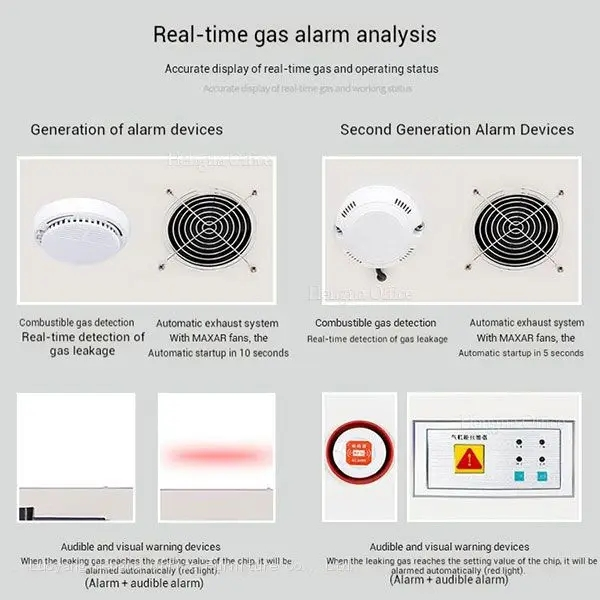
- Basic Alert Mechanisms: Gen 1 systems typically feature basic sensors such as gas leak detectors or temperature sensors. The alarm triggers a loud sound or visual indicator (flashing lights) to notify personnel of a potential hazard.
- Manual Controls: The system usually requires manual setup and adjustments, with a relatively simple interface for monitoring the alarm status.
- Limited Integration: Generation 1 alarms often operate in isolation, meaning they are not typically integrated with other systems like building management or fire safety systems.
- Basic Monitoring: These systems are often limited to monitoring one or two parameters, such as gas pressure or temperature.
Advantages of Generation 1 Alarm Systems
- Lower Initial Cost: One of the main benefits of Gen 1 systems is the low upfront cost. These systems are often more affordable, making them a good choice for laboratories with a limited budget.
- Simplicity: Easy to install and operate, making them ideal for smaller laboratories or environments where advanced features are unnecessary.
- Low Maintenance: With fewer components, Gen 1 systems are easier to maintain and less prone to malfunctioning.
Disadvantages of Generation 1 Alarm Systems
- Limited Features: These systems lack advanced functionalities such as remote monitoring or data logging. The inability to monitor multiple variables simultaneously may result in missed alarms or delays in responses.
- No Integration: Because they operate independently, Gen 1 systems are not able to interact with other safety equipment, which could delay response times in an emergency.
- Potential for False Alarms: Basic sensors may be more susceptible to false alarms, especially in environments with fluctuating temperatures or minor disturbances.
Generation 2 Alarm Systems: Overview and Features
Generation 2 alarm systems represent a significant leap forward in safety technology for gas cylinder cabinets. These systems integrate more advanced sensors and offer enhanced connectivity features to provide comprehensive, real-time monitoring.
Key Features of Generation 2 Alarm Systems
- Advanced Sensors: Gen 2 systems come equipped with a wide range of sensors, such as gas detectors, pressure sensors, temperature and humidity sensors, and even vibration sensors. This allows for comprehensive monitoring of all variables related to gas cylinder safety.
- Remote Monitoring and Control: One of the most significant upgrades of Gen 2 systems is their ability to provide remote monitoring. Laboratory managers can access system status, receive alerts, and even control the system through smartphones, tablets, or computer applications.
- Data Logging and Reporting: Gen 2 systems can log data continuously, creating detailed reports that can be analyzed for compliance purposes. This feature helps laboratories adhere to safety regulations and monitor trends in gas usage or environmental conditions.
- Integration with Other Systems: These alarms can be integrated with other laboratory systems, such as HVAC, fire suppression, or building management systems, enabling automated responses when certain thresholds are reached (e.g., closing gas valves if a leak is detected).
- Advanced Alert Mechanisms: Alerts are more sophisticated and can be transmitted via email, SMS, or app notifications, in addition to the standard alarm sounds and visual cues. This ensures that personnel can be notified immediately, even when they are away from the cabinet.
Advantages of Generation 2 Alarm Systems
- Enhanced Safety: With multiple sensors and remote monitoring, Gen 2 systems provide an added layer of security by constantly monitoring all conditions and ensuring immediate alerts if something goes wrong.
- Real-Time Monitoring: The ability to monitor alarms remotely enables laboratory managers to respond faster to emergencies, ensuring the safety of staff and preventing costly accidents.
- Regulatory Compliance: With features such as data logging, these systems help laboratories meet safety regulations and maintain records for inspections, audits, or insurance purposes.
- Scalability: Gen 2 systems are scalable, meaning they can be expanded to accommodate more gas cylinders, more sensors, or more connected systems as the laboratory grows.
Disadvantages of Generation 2 Alarm Systems
- Higher Initial Cost: Due to the advanced features, Gen 2 alarm systems come with a higher initial cost. For laboratories with tight budgets, the upfront expense may be a significant consideration.
- Complex Installation: These systems often require professional installation and configuration, which may increase setup costs and require specialized knowledge.
- Increased Maintenance: With more components and advanced technology, Gen 2 systems may require more regular maintenance and potentially higher repair costs.
Cost-Benefit Comparison: Generation 1 vs Generation 2 Alarm Systems
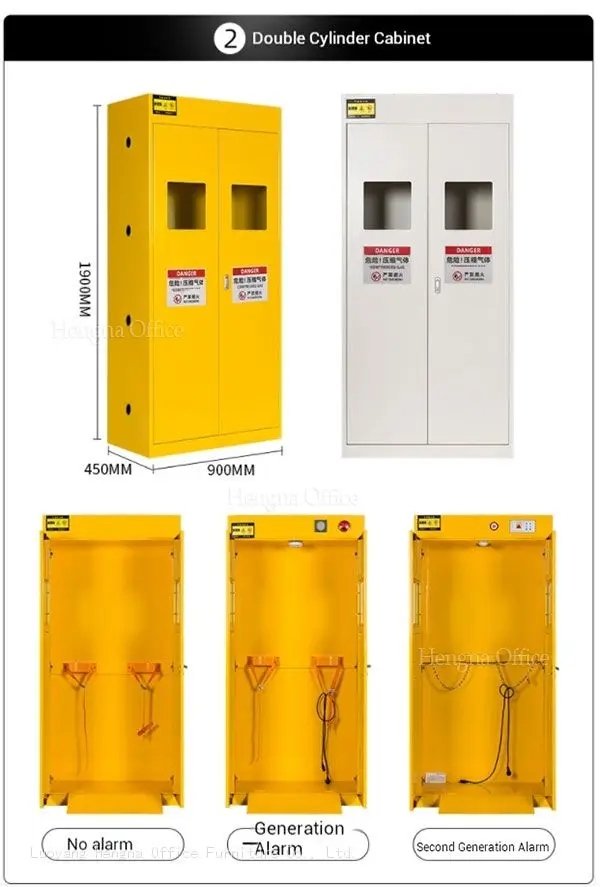
When deciding which alarm system is best suited for a laboratory, it’s important to consider both the initial investment and the long-term benefits. Below is a cost-benefit comparison:
Generation 1 Alarm Systems: Cost-Benefit
- Lower Upfront Costs: The primary benefit of Gen 1 systems is their affordability. Laboratories with limited budgets can opt for these systems without compromising too much on safety.
- Simple Monitoring: While they lack advanced features, Gen 1 systems are adequate for smaller labs with fewer safety concerns. If the lab handles lower-risk materials or has fewer gas cylinders, these systems may be sufficient.
- Potential for Long-Term Costs: Over time, the lack of remote monitoring, data logging, and integration may result in higher operational costs. In the event of a leak or issue, the delayed response could result in damage, personnel injury, or regulatory fines.
Generation 2 Alarm Systems: Cost-Benefit
- Higher Initial Investment: The higher cost of Gen 2 systems may be seen as a disadvantage for some, but it should be considered as an investment in long-term safety and compliance.
- Enhanced Safety Features: The advanced sensors and real-time monitoring reduce the risk of accidents, ensuring that problems are detected and addressed immediately. This could prevent costly damages, personnel injuries, or environmental hazards.
- Regulatory Compliance: The data logging feature helps meet regulatory requirements and allows the laboratory to maintain a comprehensive record of safety checks and alarm responses, reducing the risk of non-compliance.
- Scalability and Future-Proofing: As your laboratory grows, the Gen 2 system can scale with it, providing a flexible solution that adapts to future needs.
Which Alarm System Is Right for Your Laboratory?
Choosing between Generation 1 and Generation 2 alarm systems depends on several factors:
- Budget: If your laboratory is on a tight budget, a Gen 1 system may be more suitable in the short term. However, if you have the resources, investing in a Gen 2 system will provide better long-term value.
- Laboratory Size and Risk: Larger labs with more gas cylinders or hazardous materials should prioritize a Gen 2 system for its advanced monitoring and integration features.
- Regulatory Requirements: If your lab is subject to strict safety regulations, Gen 2 systems provide the necessary data logging and reporting features to ensure compliance.
- Long-Term Growth: If you anticipate expansion or additional safety requirements, a Gen 2 system offers scalability that a Gen 1 system cannot match.
Conclusion
While Generation 1 alarm systems provide a basic and affordable solution for gas cylinder cabinet safety, they lack the advanced features and capabilities offered by Generation 2 systems. Gen 2 systems, though more expensive, provide superior safety, remote monitoring, and regulatory compliance, making them an ideal choice for larger laboratories or those handling high-risk materials.
By carefully considering your laboratory’s needs, budget, and long-term goals, you can make an informed decision that maximizes both safety and efficiency.