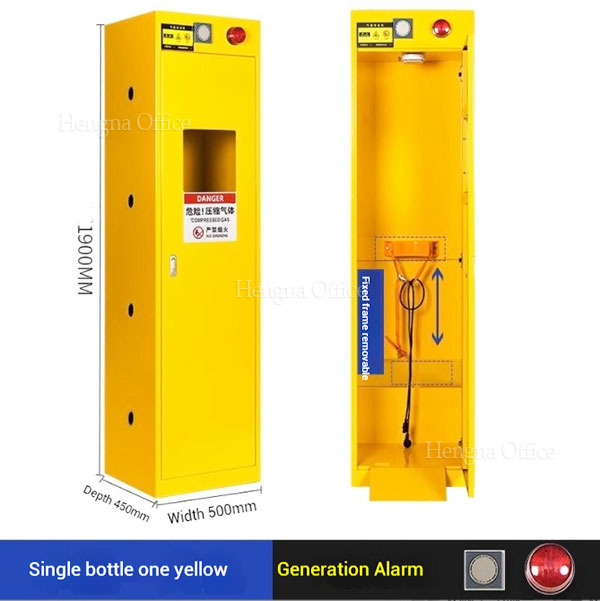
Laboratories are high-risk environments that require meticulous attention to safety, and gas cylinders are one of the most significant hazards in these spaces. Whether used for research, chemical reactions, or as a fuel source, gases are often stored in high-pressure cylinders that, if mishandled or improperly stored, can pose a serious threat to laboratory personnel and the surrounding environment. In fact, improper gas cylinder storage can be a “silent killer” in the lab, leading to potential accidents, health risks, or regulatory violations.
As laboratory safety regulations grow stricter worldwide, it’s essential for laboratory managers and staff to ensure that gas cylinder storage cabinet complies with local, national, and international standards. This blog will explore the risks associated with improper gas cylinder storage, outline key compliance requirements, and provide tips for ensuring that your laboratory’s gas storage practices meet safety guidelines.
The Risks of Improper Gas Cylinder Storage Cabinet
Gas cylinders are often stored in laboratories to provide a range of gases, such as oxygen, nitrogen, hydrogen, or carbon dioxide, which are vital for experiments and processes. However, these cylinders are under extremely high pressure, and improper handling can lead to serious incidents, including explosions, fires, or hazardous leaks. Below are some of the key risks associated with improper gas cylinder storage:
- Gas Leaks: If gas cylinders are stored improperly or exposed to extreme temperatures, leaks can occur. A gas leak can quickly escalate into an explosive hazard, especially when dealing with flammable gases.
- Cylinder Damage: Storing gas cylinders in unstable environments, such as near heat sources or in poorly ventilated areas, increases the risk of physical damage. Damaged cylinders are more prone to failure or rupture.
- Fire Hazards: Some gases, such as oxygen and hydrogen, are highly flammable. Improper storage of cylinders in areas with high fire risk can lead to dangerous fires or explosions.
- Environmental Impact: Inappropriate storage can also lead to accidental release of gases into the environment, contributing to hazardous air quality, especially when dealing with toxic or corrosive gases.
- Regulatory Violations: Laboratories that fail to follow proper gas cylinder storage guidelines may face serious regulatory violations and penalties, especially during inspections by authorities or accreditation bodies.
Regulatory Standards for Gas Cylinder Storage Cabinet
To avoid these risks, it is essential that gas cylinders are stored in accordance with local, national, and international regulations. Here are some of the most important standards and guidelines for compliant gas cylinder storage Cabinet:
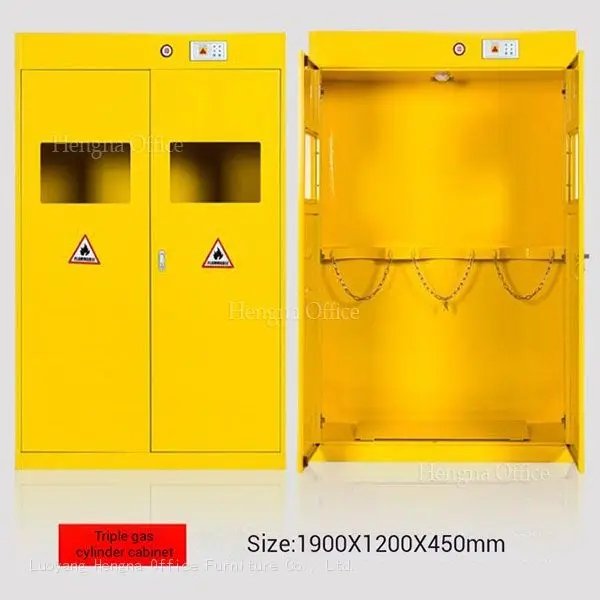
- Occupational Safety and Health Administration (OSHA): In the United States, OSHA provides regulations for the safe storage and handling of gas cylinders in laboratories and industrial settings. Some key OSHA requirements include:
- Cylinders must be stored in a well-ventilated area, away from heat sources.
- Cylinders should be stored upright and secured with proper restraints to prevent tipping.
- Incompatible gases must be stored separately to prevent dangerous reactions.
- National Fire Protection Association (NFPA): The NFPA’s standards, particularly NFPA 55 (Standard for the Storage, Use, and Handling of Compressed and Liquefied Gases in Portable Cylinders), provide guidelines for the safe storage of gas cylinders. These guidelines include:
- Proper labeling of gas cylinders to indicate the contents, whether hazardous or non-hazardous.
- Adequate space for storage to prevent overcrowding and allow for proper access.
- European Union (EU) Standards: In the EU, the Pressure Equipment Directive (PED) provides regulations for gas cylinder storage and handling. The European Union also has specific guidelines for the storage of gases under pressure, including:
- Ensuring the cylinders are placed in a designated area that is not exposed to excessive heat or cold.
- Gases such as oxygen must be stored separately from flammable gases like acetylene to prevent accidental combustion.
- International Standards (ISO): The International Organization for Standardization (ISO) offers guidelines for cylinder storage and handling in laboratories. ISO 32:2010, for example, offers guidance on the safe storage of medical gas cylinders, with guidelines applicable to laboratory gas cylinder storage as well.
Key Compliance Requirements for Safe Gas Cylinder Storage Cabinet
To ensure your laboratory is compliant and safe, consider the following guidelines for gas cylinder storage cabinet:
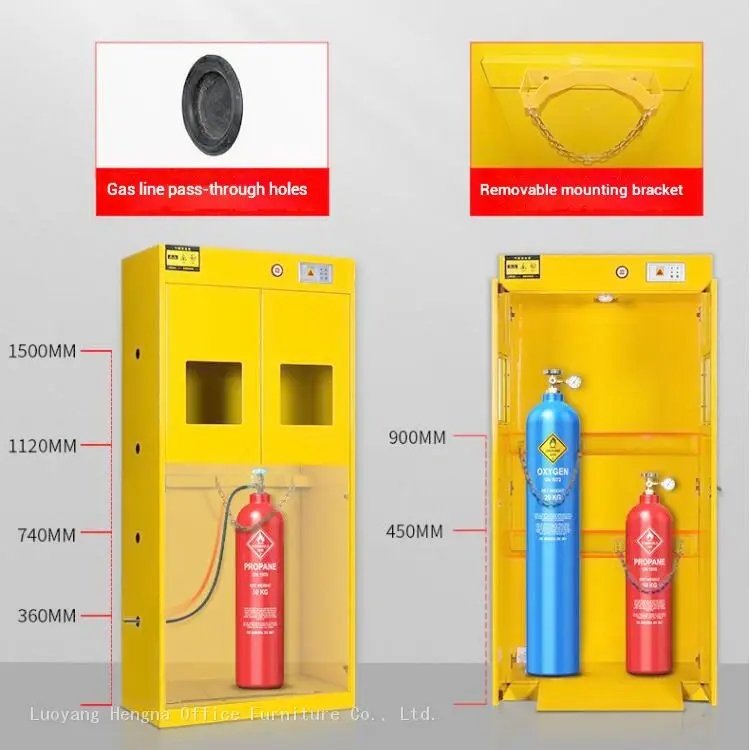
- Proper Ventilation: All gas cylinders should be stored in a well-ventilated area to prevent the accumulation of gas in case of leaks. Ensure that the storage room has adequate airflow to disperse any potentially hazardous gases.
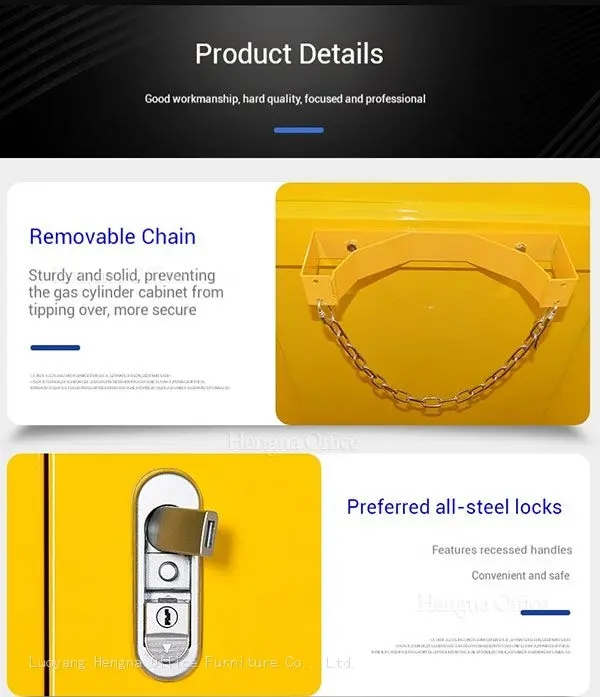
- Secure Storage: Cylinders should be stored upright and securely fastened to prevent them from falling over. A falling cylinder could cause a hazardous leak or even rupture.
- Separation of Incompatible Gases: Ensure that incompatible gases, such as oxygen and flammable gases like acetylene or hydrogen, are stored separately to avoid dangerous reactions.
- Labeling and Identification: All cylinders should be clearly labeled with their contents, including warnings about any hazards. Proper labeling helps lab staff quickly identify the nature of the gas in the event of an emergency.
- Temperature Control: Gas cylinders should be stored in areas that are free from extreme temperatures, as high heat can increase pressure inside cylinders, leading to failure or rupture.
- Accessibility and Emergency Plans: Gas cylinder storage areas should be easily accessible, allowing quick access in case of an emergency. Ensure that laboratory staff are trained in handling gas cylinder emergencies and are familiar with the emergency procedures.
- Regular Inspections: Implement a routine inspection process for gas cylinders, ensuring they are free from damage, leaks, or corrosion. Regular inspections help identify potential hazards before they escalate into serious issues.
- Compliance with Local Regulations: Ensure that your laboratory adheres to all applicable local regulations. Regulatory bodies often perform audits, and non-compliance can lead to hefty fines or forced shutdowns.
How to Ensure Gas Cylinder Storage Cabinet Compliance
Here are a few steps you can take to ensure your laboratory’s gas cylinder storage cabinet is compliant with regulations:
- Conduct a Risk Assessment: Assess the risks associated with your gas storage practices. Identify areas where the lab may not be compliant with regulations and make necessary changes.
- Implement Best Practices: Follow the guidelines for safe storage, including proper ventilation, secure shelving, and segregation of incompatible gases.
- Train Your Staff: Ensure all laboratory staff are trained in proper gas cylinder storage cabinet handling and emergency procedures. Training should include how to safely store and access gas cylinders, as well as how to respond in case of a gas leak or other emergency.
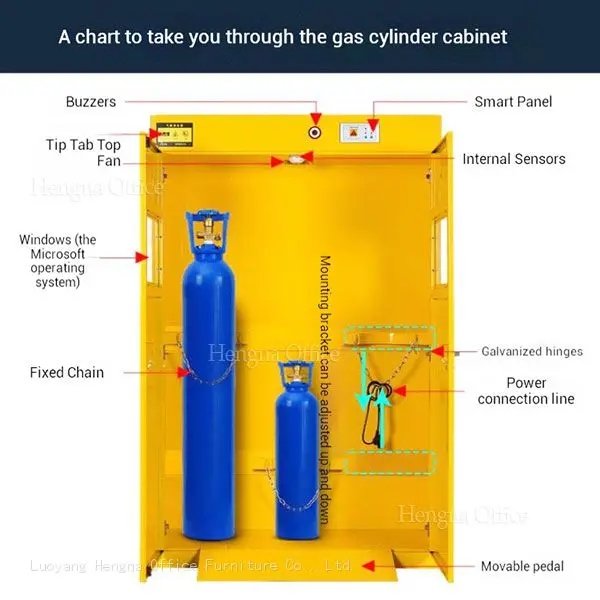
- Install Gas Leak Detectors: In addition to proper storage, install gas leak detectors in areas where gas cylinders are stored to provide early warning of any potential leaks.
- Work with a Safety Consultant: If you’re unsure about compliance or need assistance, consider consulting with a safety expert or regulatory compliance consultant to evaluate your gas cylinder storage cabinet practices.
Cost-Benefit Analysis: Compliance vs. Non-Compliance
Adhering to gas cylinder storage cabinet regulations may come with some initial costs for proper storage equipment and employee training. However, these costs are minimal compared to the potential financial consequences of non-compliance, which can include:
- Legal Penalties: Laboratories that fail to comply with safety regulations may face fines and penalties from regulatory authorities.
- Increased Liability: Improper gas cylinder storage cabinet increases the likelihood of accidents, which could lead to liability claims or lawsuits.
- Reputation Damage: Safety violations can harm the laboratory’s reputation, affecting funding, partnerships, and public trust.
- Health and Safety Risks: Non-compliance can lead to injuries or fatalities, resulting in significant human and financial costs.
Conclusion
Gas cylinder storage cabinet may seem like a small detail, but improper handling and storage can lead to disastrous consequences. By adhering to proper safety protocols and ensuring compliance with all relevant regulations, laboratories can protect their staff, equipment, and reputation while reducing the risk of costly accidents.
To ensure your gas cylinder storage cabinet practices are compliant, it’s essential to implement safety measures such as secure storage, proper labeling, and regular inspections. By doing so, you not only safeguard your laboratory from potential disasters but also contribute to the overall safety and efficiency of your operations.