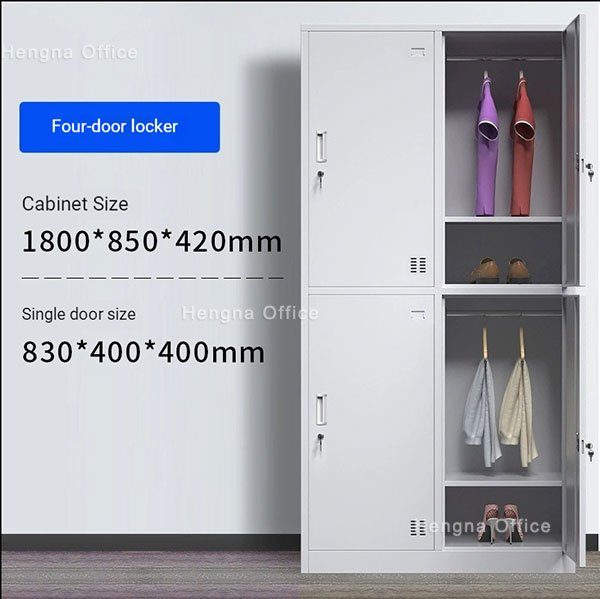
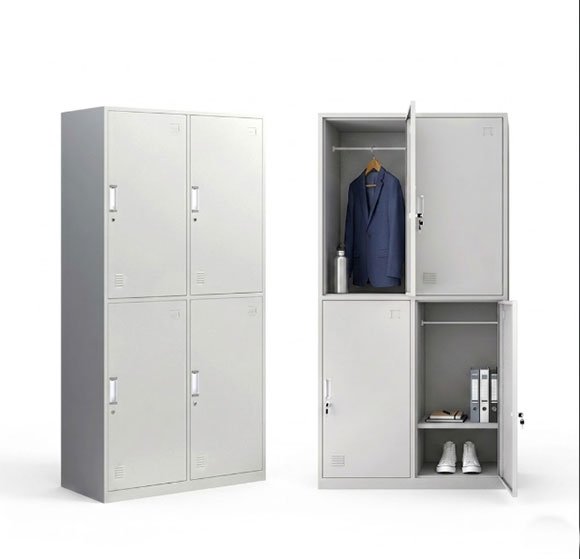
In 2021, a community aquatic center outside Tampa bought 24 steel lockers for their new changing room. Powder-coated blue, chromed handles, about $180 a door. The installer bolted them to the cinder block wall, wiped them down, and handed over the keys. The facility manager was proud of the price.
Walk in today. The lockers are still there, but they’re not the same cabinets. Here’s what happened, year by year — because it’s the same story at every pool that skips ABS and buys steel to save 15%.
Year 1: Still Looks New
The paint is intact, the hinges are tight, and the chromed handles still shine. Pool staff wipe the lockers down nightly, and the cabinet looks the way it did on day one. The facility manager tells his peers he “saved 20% by going steel.”
Year 2: The First Streaks
By summer of year 2, the first rust marks show up. They start at the bottom edge of the door, where wet swimsuits drip onto the threshold, and run down in thin orange lines. The maintenance crew wipes them off, but they come back a week later. The chrome handles develop pits where salt air has been sitting on them. A few of the lock cylinders start to stick in humid weather.
This is the year that ABS lockers would still look identical to day one. Plastic doesn’t care about the drip.
Year 3: The Paint Starts to Lift
By year 3, the powder coat has peeled at the corners. Wet swimwear sits against the inside of the door for hours after a kid forgets a towel. Moisture gets behind the paint, and it bubbles up. When maintenance scrapes the bubble off, there’s a rust spot under it that keeps growing.
The facility manager touches up the worst spots with a can of blue spray paint. It matches. Sort of. From 3 feet away.
Year 4: The Complaint
A parent posts a review: “The changing room lockers are rusty and smelled mildewy.” The director pushes back on maintenance. Maintenance pushes back that the lockers were the cheapest option. The budget for new lockers gets penciled in for the next fiscal year.
The mildew smell is the part steel can’t fix. The paint over steel is slightly porous, and organic material from wet swimsuits gets trapped under it. You can’t wash it out. ABS doesn’t have this problem because the surface is non-porous — nothing gets underneath to grow.
Year 5: The Replacement Quote
The new quote comes in for ABS lockers. It’s 15% higher per door than the steel purchase was in 2021. The director does the math: 24 steel doors × $180 = $4,320, plus 5 years of touch-up paint, hinge replacements, and complaint management. The ABS replacement runs about $5,000 installed, and it won’t need touching up for 15 years.
The “savings” from buying steel in year 1 turned into a second purchase in year 5, plus the reputation cost. It’s the same story at every pool that goes cheap on wet-area lockers.
What Would Year 5 Look Like on ABS?
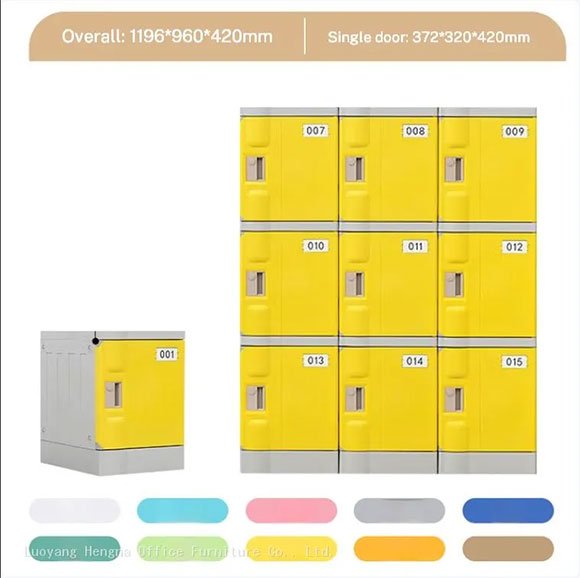
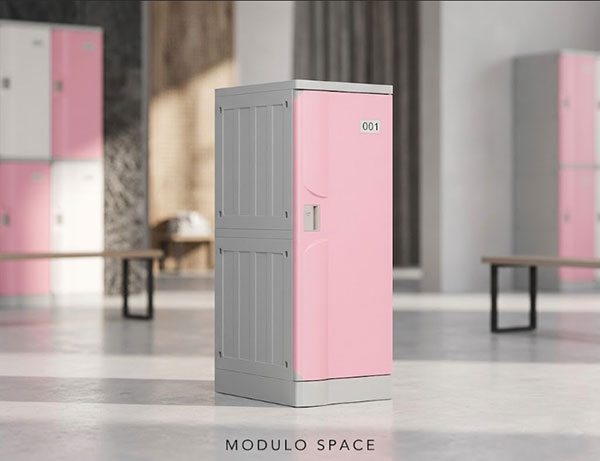
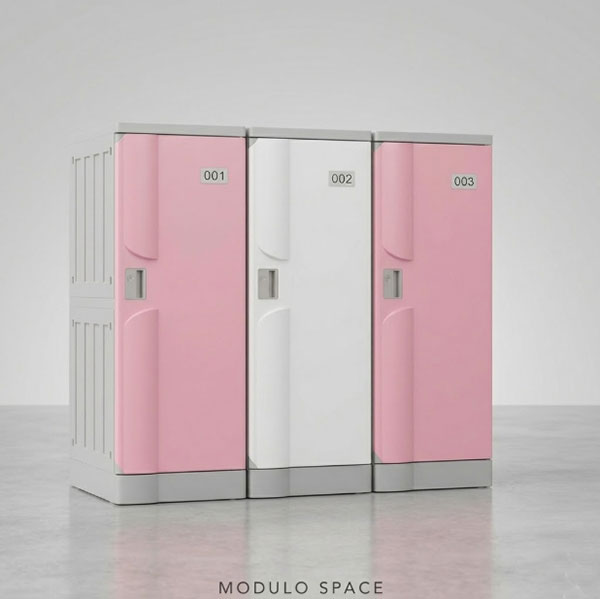
ABS lockers at the same pool would still look like they did on install day. No rust streaks, no bubbled paint, no mildew smell, no touch-up budget. The only maintenance is a quick wipe-down at closing. The 15% upfront difference paid for itself the year they didn’t have to buy lockers twice.
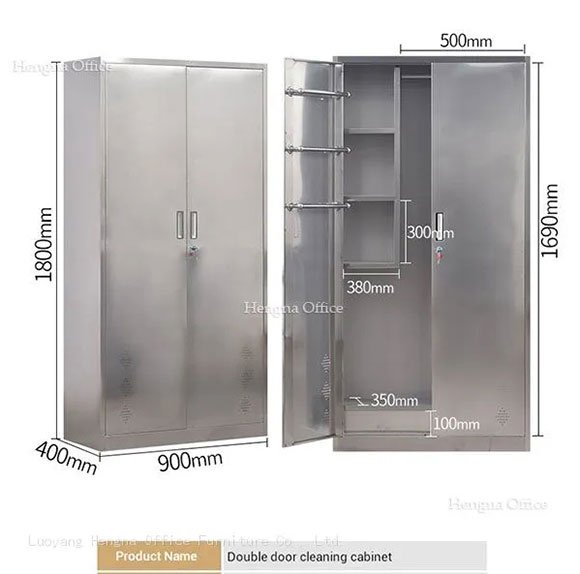
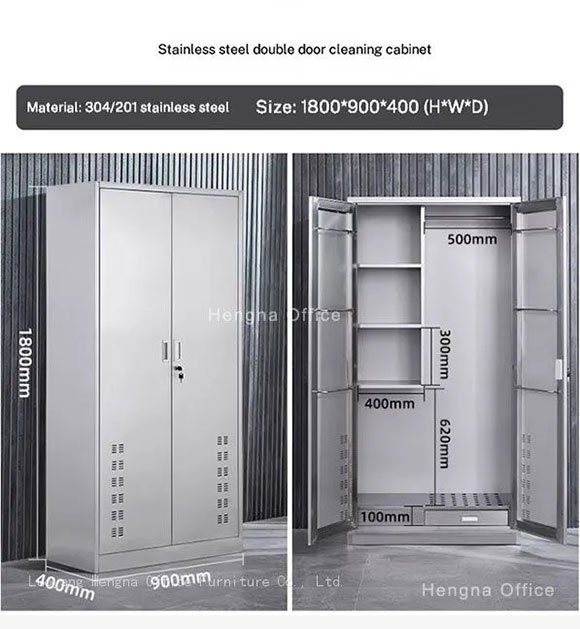
Wet-area storage isn’t just a pool problem. If you’re outfitting a clinic or spa with stainless steel cabinets, our locked medicine dispensing cabinet guide covers that side of the build.
If you’re building a new pool or replacing lockers that rusted out, ask for photos of our 10-year-old installs. We’d rather show you what the plastic actually looks like after a decade on the pool deck than sell you on a spec sheet.