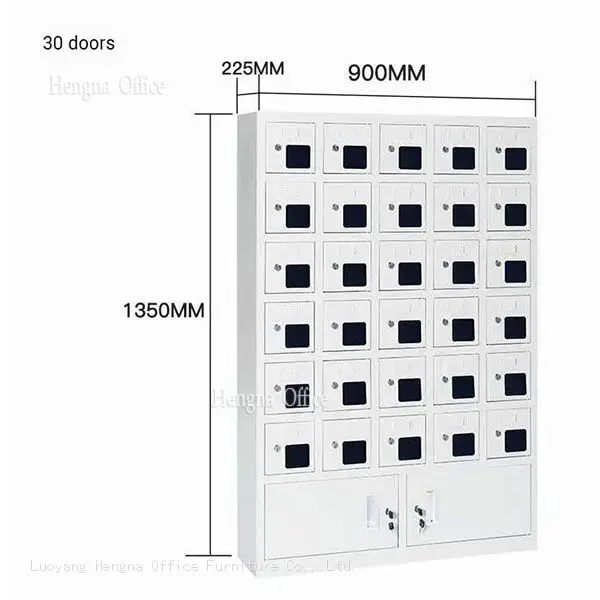
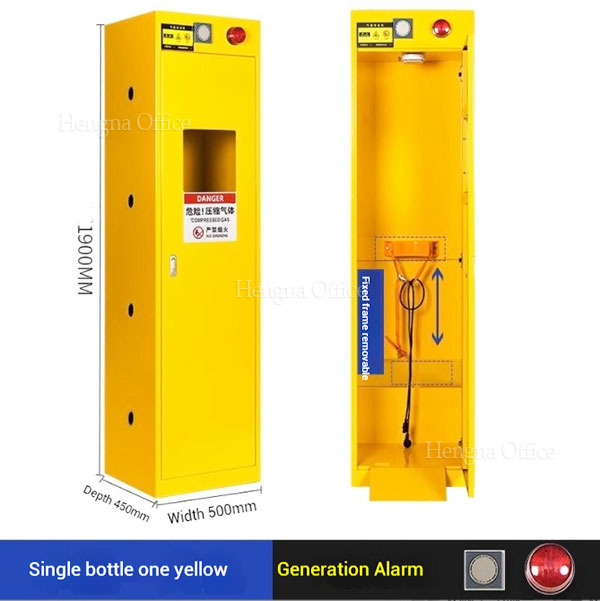
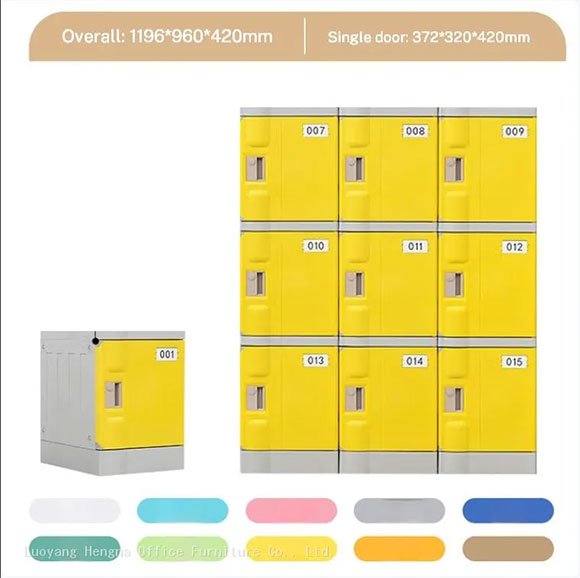
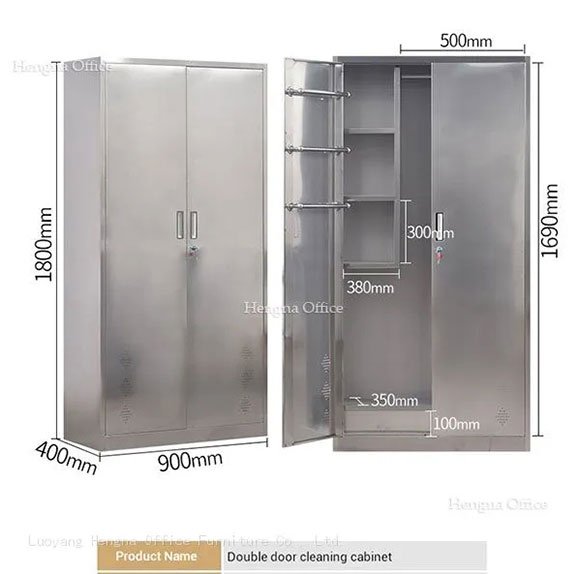
In today’s modern world, charging cabinets are essential for providing a secure and organized place to charge mobile devices in offices, malls, universities, and other public spaces. However, when selecting a charging cabinet, it’s important to consider more than just its functionality—safety and durability should also be top priorities.
To ensure that these cabinets stand the test of time and provide a safe, long-lasting solution, manufacturers incorporate several layers of protection into their designs. These include fireproofing, rust resistance, and impact resistance—often referred to as the “three-layer armor.” But what exactly do these features entail, and how do they contribute to the overall safety and longevity of charging cabinets?
This blog will break down each layer of this protective armor, explaining how they work together to enhance the performance and safety of charging cabinets.
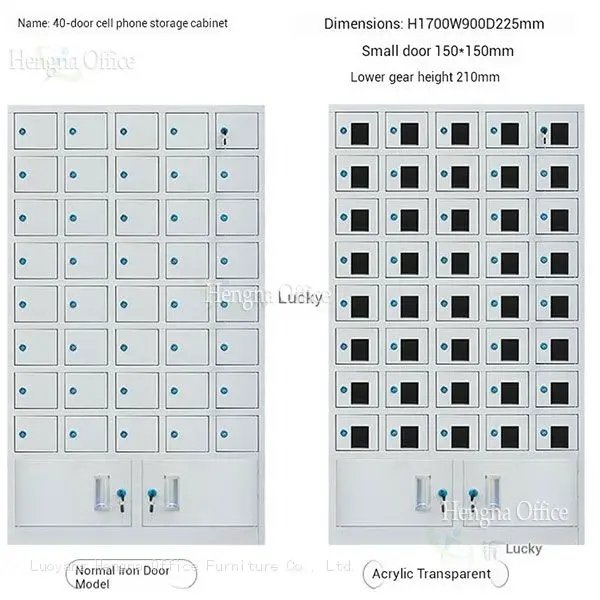
What is the Three-Layer Armor?
The “three-layer armor” of charging cabinets includes:
- Fireproof Steel Plates: The foundational material used to build the cabinet’s structure.
- Rust-Resistant Coatings: Specialized coatings that prevent corrosion and extend the life of the cabinet.
- Impact-Resistant Design: Features that protect the cabinet from physical damage caused by bumps or accidental collisions.
These protective layers not only ensure that the charging cabinets remain functional and safe over time, but they also contribute to a more secure environment for users, helping to prevent electrical fires, damage from environmental factors, and general wear and tear.
Let’s dive deeper into each of these components.
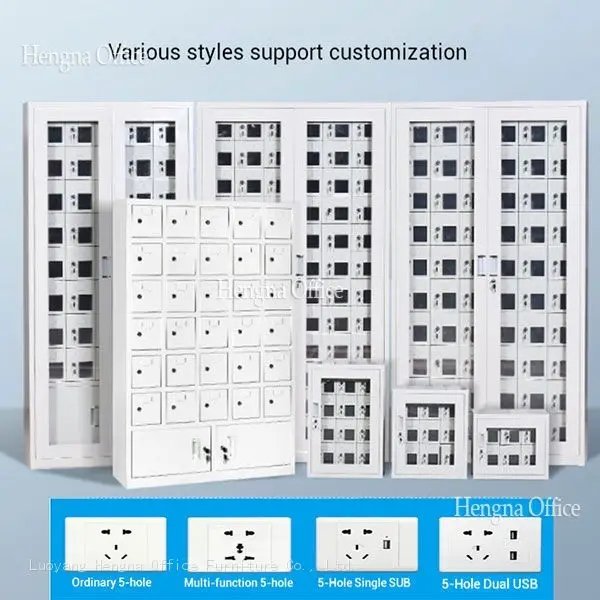
1. Fireproof Steel Plates: The Backbone of Safety
The first layer of the “three-layer armor” is the steel plate used to build the charging cabinet. This fire-resistant steel is crucial for ensuring the safety of both the cabinet and the devices it charges.
Why is Fireproof Steel Important?
- Fire Resistance: Steel is inherently resistant to high temperatures and won’t catch fire easily. By using fireproof steel, charging cabinets are able to withstand high heat and prevent fire hazards from spreading. This is especially important in environments where electrical equipment is frequently used, as overheating can lead to sparks or fires.
- Durability: Steel is one of the most durable materials available, providing strength and sturdiness to the cabinet. A fireproof steel plate not only withstands high temperatures but also resists bending, warping, or breaking under stress.
- Fire Protection for Devices: Charging cabinets with fireproof steel help to ensure that overheated devices do not catch fire, providing peace of mind for users in both public and private settings.
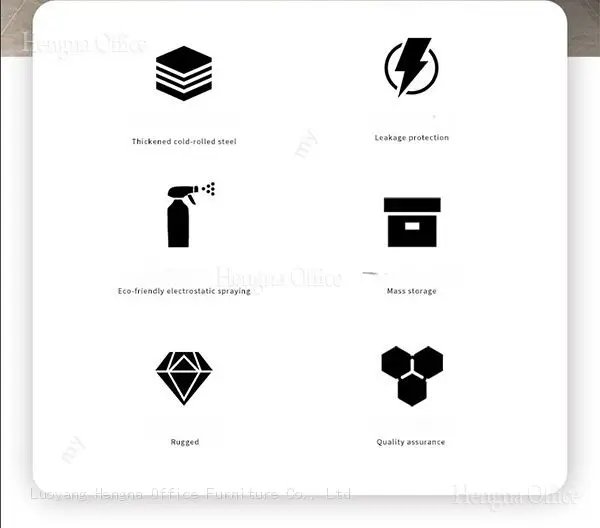
Key Benefits:
- Enhances overall safety by preventing the spread of fire.
- Provides long-term durability in high-risk environments.
- Protects valuable devices and assets from fire hazards.
2. Rust-Resistant Coatings: Ensuring Longevity and Corrosion Resistance
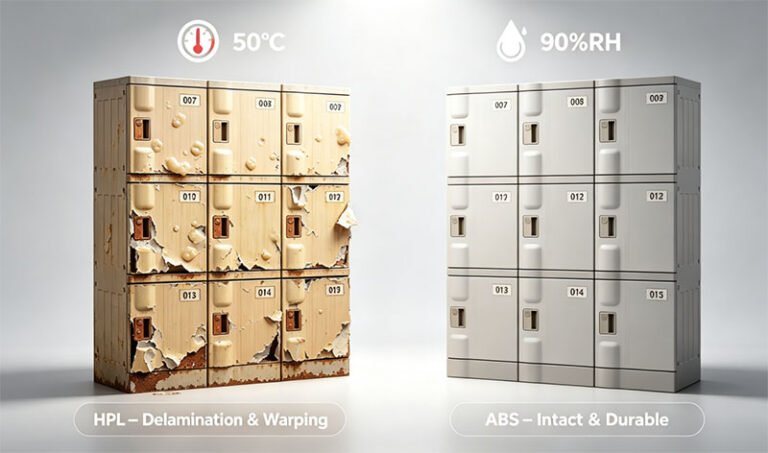
The second layer of the “three-layer armor” is the rust-resistant coating. Many charging cabinets are placed in areas with varying levels of moisture or humidity, such as offices, schools, and gyms. These environments can lead to the development of rust and corrosion over time, which can significantly reduce the cabinet’s lifespan and compromise its integrity.
How Rust-Resistant Coatings Work
Rust-resistant coatings, such as powder coatings or electrostatic spray coatings, are applied to the steel surface of the cabinet to protect it from the damaging effects of moisture and chemicals.
- Powder Coating: Powder coating is a dry finishing process that uses fine particles of pigment and resin, which are electrostatically charged and then applied to the surface of the steel. This type of coating creates a strong, durable finish that resists chipping, fading, and rusting.
- Electrostatic Coatings: These coatings use a charged particle to adhere to the metal surface, forming a uniform layer that protects against corrosion. The coating also provides a smooth, attractive finish.
Why Rust Resistance Matters
- Prevents Corrosion: Rust and corrosion can cause holes and cracks in the cabinet, weakening the structure and affecting the safety of the stored devices.
- Maintains Aesthetic Appeal: Rust-resistant coatings preserve the appearance of the cabinet by preventing unsightly discoloration or degradation caused by moisture.
- Prolongs Cabinet Life: By shielding the cabinet from rust, these coatings help extend the life of the charging unit, providing better long-term value for businesses and institutions.
Key Benefits:
- Protects the charging cabinet from moisture-related damage.
- Preserves the appearance of the cabinet.
- Extends the overall lifespan of the unit, reducing replacement costs.

3. Impact-Resistant Design: Built for Tough Environments
The third layer of protection is the impact-resistant design. Charging cabinets, especially those used in public spaces, are often exposed to physical damage. Users may inadvertently knock or bump the cabinet, which can result in scratches, dents, or structural damage.
What Makes a Charging Cabinet Impact-Resistant?
An impact-resistant charging cabinet is designed with features that absorb and distribute physical shocks, preventing damage to the internal components and external surface. Key components include:
- Thicker Steel Plates: Reinforced steel construction helps the cabinet withstand forceful impacts without collapsing or deforming.
- Corner Protectors: Some models feature corner bumpers or reinforced edges to absorb shock and reduce the risk of damage during collisions.
- Shock Absorbent Features: Certain cabinets include cushioned feet or impact-resistant panels that help to mitigate the effects of physical impact.
Why Impact Resistance is Crucial
- Prevents Structural Damage: Charging cabinets are often placed in high-traffic areas where accidental bumps and knocks are common. The impact-resistant design ensures that the cabinet remains intact even after being struck.
- Preserves Internal Components: Impact resistance also protects the internal wiring and charging ports, ensuring that the cabinet continues to function properly without short circuits or other electrical malfunctions.
- Improves Durability: Cabinets designed with impact resistance are more likely to survive in high-use environments, reducing the likelihood of premature failure or damage.
Key Benefits:
- Protects the cabinet from damage caused by physical impacts.
- Maintains the structural integrity of the unit over time.
- Prevents the loss of function in high-traffic or public areas.
Comparing the Three Layers of Protection
| Layer | Function | Benefits |
|---|---|---|
| Fireproof Steel Plates | Protects against heat and fire hazards | Increases safety, prevents fires, and enhances durability |
| Rust-Resistant Coating | Prevents corrosion and moisture damage | Extends lifespan, preserves appearance, and prevents rust |
| Impact-Resistant Design | Protects against physical damage | Ensures long-lasting performance and functionality |
Conclusion: The Ultimate Protection for Charging Cabinets
The three-layer armor—fireproof steel, rust-resistant coatings, and impact-resistant design—creates a robust and secure charging solution for any environment. Whether in high-traffic public spaces or corporate offices, these protective features work together to provide safety, longevity, and reliability. With the increasing need for secure, efficient charging solutions, understanding the importance of these protective layers is crucial for making informed decisions when choosing a mobile charging cabinet.