A gas cylinder cabinet is not a purchase you replace every year. It’s a piece of safety equipment that shows up on a truck, gets bolted to a wall, and then quietly does its job for a decade. Most problems with cylinder cabinets aren’t defects — they’re things that were wrong on day one and slowly got worse.
Here’s what the 10-year lifecycle actually looks like, from delivery to the decision to replace. If you’re specifying a cabinet today, the years 0 and 5 are where you have the most control.
Year 0: Delivery and Installation
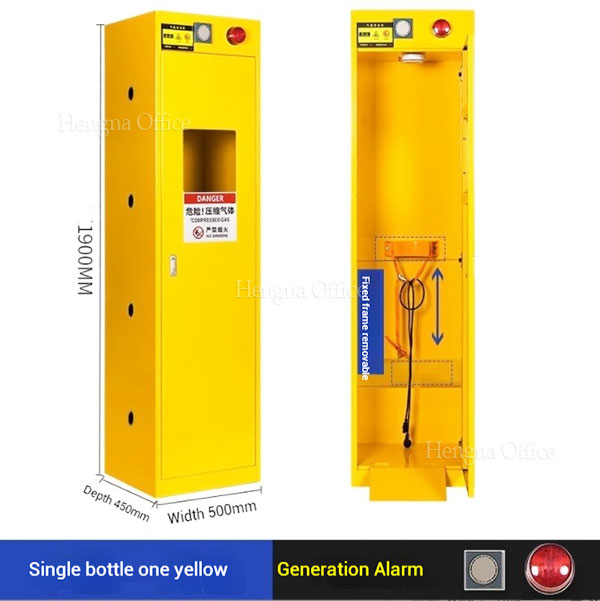
The cabinet arrives on a pallet. Before you open the box, the install location has to be right. Two decisions made on day one determine the next decade:
- Indoor or outdoor? Indoor cabinets need ventilation to the outside; outdoor cabinets need a weatherproof rating and a lock that doesn’t seize in rain. Don’t put an indoor cabinet outside “temporarily” — the temporary becomes permanent.
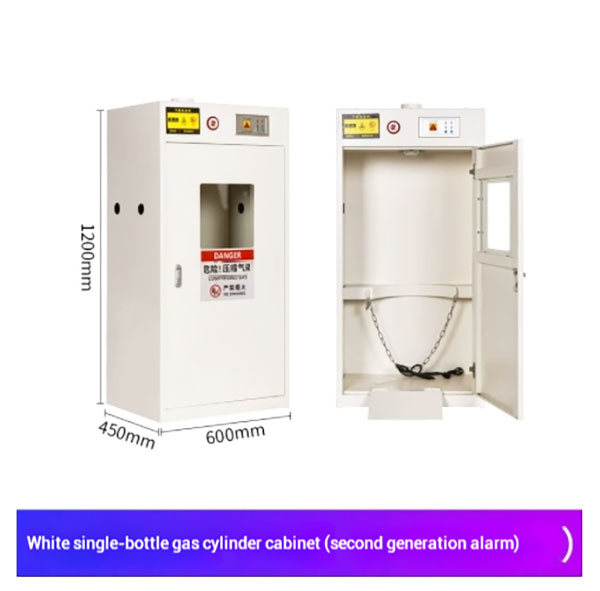
- Where the cylinders sit inside. Oxygen on one side, fuel gas on the other, chained at the upper third of the cylinder. The chain height matters: a chain at the middle lets a falling cylinder pivot at the bottom and spin the valve off.
Year 1–3: The Daily Work
This is the longest stretch, and it’s where habits form. Techs roll a cylinder in, chain it, hook up the regulator, and go back to work. The cabinet door opens and closes a few times a day. Nothing breaks, because nothing is being asked of the cabinet beyond holding the cylinders upright and locked.
The only thing that typically goes wrong in these years is the alarm. If you bought a cabinet with an LEL detector and an exhaust fan, the sensor drifts after about 2 years and starts giving false alarms. Most shops either live with the beeping or unplug it — which is when the cabinet stops being a safety device and becomes a locker.
Year 5: The Annual Safety Walk
By year 5, someone from EHS finally walks the cabinet. They look at four things:
| What they check | What’s normal | What’s a problem |
|---|---|---|
| Door hinges and self-close | Door shuts on its own | Door needs a push, hinges sag |
| Chains and latches | Tight, no kinks | Rusted links, stretched chain |
| Vent louvers | Open, unobstructed | Grease, spider nests, paint overspray |
| Alarm and fan | Test button beeps, fan runs | Unplugged, sensor reads zero |
Year 5 is when you replace the chain, test the alarm battery, and clear the vent louvers. Not glamorous, but it’s what keeps the cabinet in service for another 5.
Year 8: The First Upgrade Moment
By year 8, most shops have either added another welding bay or stopped using one. The cabinet you bought for 2 oxygen and 2 acetylene cylinders now holds 4 of each. You don’t need a new cabinet — you need to add a shelf or a chain rail. This is also when the exterior paint starts to fade from UV if the cabinet is near a door or window. A touch-up can is cheap; a rusted-through panel is not.
Year 10: Replace or Keep?
At the decade mark, the honest question is: does the cabinet still hold the cylinders upright, close the door on its own, and keep gas away from ignition sources? If yes, keep it — replace the alarm sensor, repaint, re-chain. If the hinges are shot, the door won’t self-close, or the sheet metal has rusted through at the base, it’s time to spec a new one. A 10-year-old cabinet that still passes its annual inspection is a cheaper asset than a half-year downtime from a cylinder tip.
And remember: fuel gas cylinders live in their own cabinet, not next to flammable liquids. If you also store solvents or paints on the same shop floor, our 15-gallon flammable cabinet guide covers that side of the compliance walkthrough.
Whether you’re setting up a new welding bay or replacing a cabinet that’s been chained shut for a decade, the chain height and self-close door matter more than the paint color. Tell us how many cylinders you run — we’ll spec it and send the chain with the order.