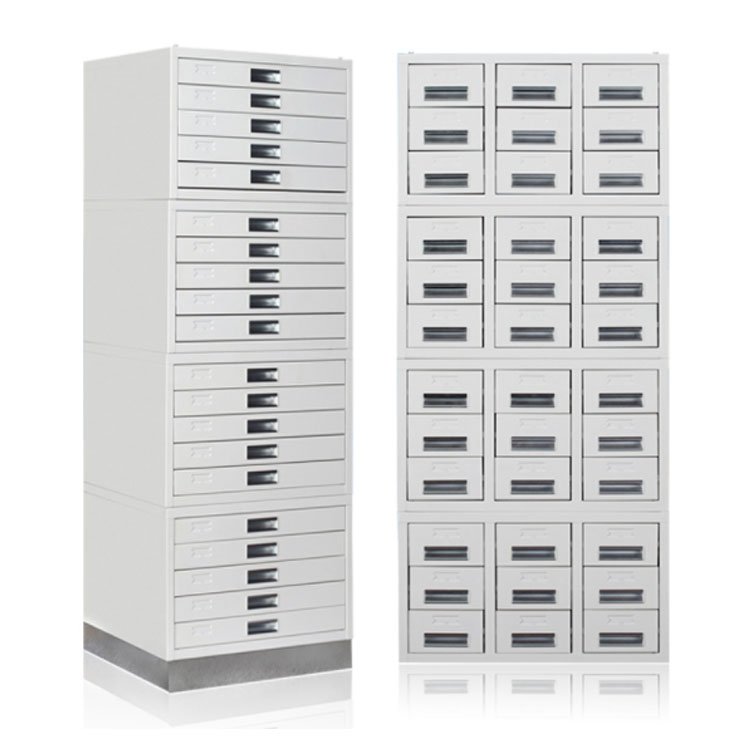
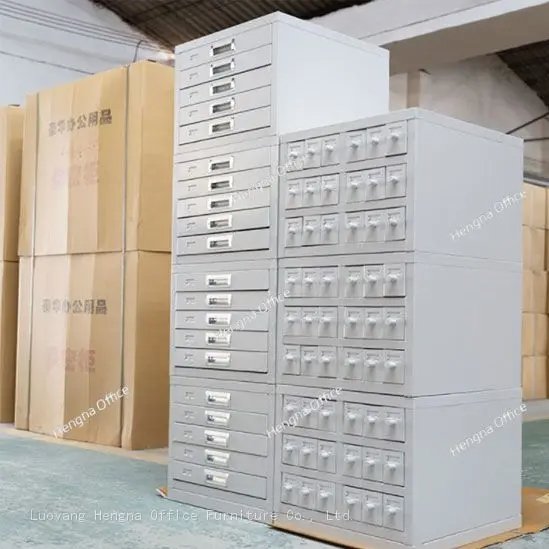
Installing an explosion-proof gallon cabinet (also known as a flammable storage cabinet) seems simple: place it in the workshop, load the chemicals, and lock the door.
But in safety management, small mistakes can create big risks.
In fact, many fire accidents, chemical leaks, and workplace injuries happen because the cabinet was installed in the wrong place, not because the cabinet itself had a problem.
To help you avoid dangerous situations, this article explains:
- What an explosion-proof gallon cabinet is
- Why installation location matters
- 5 locations you should NEVER choose
- The best placement recommendations
- Easy-to-follow safety tips for every workplace
This is a simple, practical guide for factories, labs, workshops, and warehouses.
What Is an Explosion-Proof Gallon Cabinet?
An explosion-proof gallon cabinet is used to store:
- Flammable liquids
- Combustible materials
- Chemical solvents
- Hazardous substances
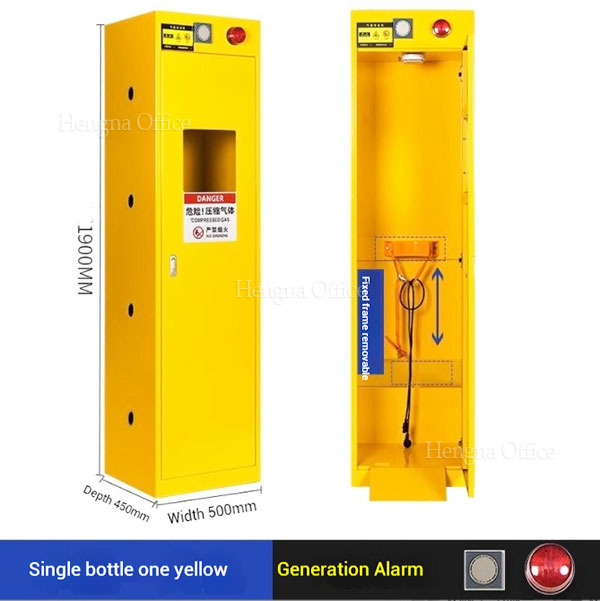
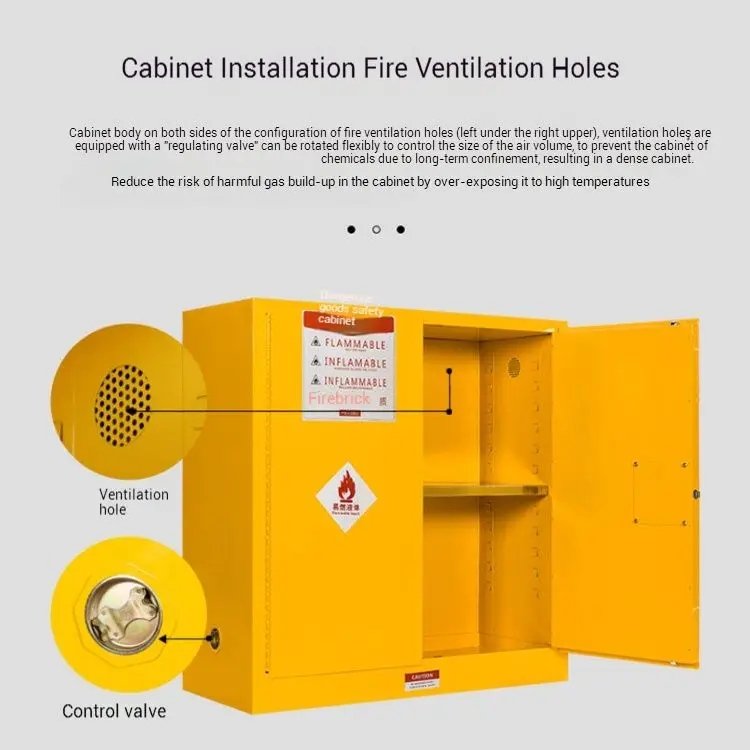
These cabinets are usually made of double-layer steel, with fire-resistant insulation, three-point locks, airtight doors, and ventilation ports.
Their job is simple:
✔ Reduce fire risks
✔ Protect chemicals from heat
✔ Contain spills or leaks
✔ Ensure workers’ safety
✔ Comply with OSHA/NFPA standards
But even the best cabinet becomes dangerous if installed incorrectly.
Why the Installation Location Matters
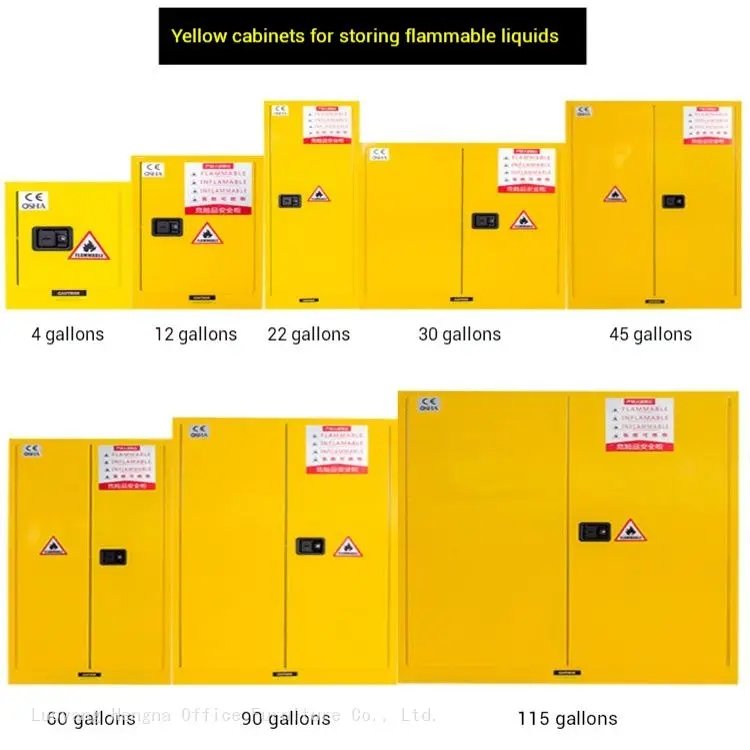
The cabinet itself is fire-resistant, but the environment around it may not be.
Placing the cabinet in the wrong spot can cause:
- Faster spreading of fire
- Chemical vapor buildup
- Reduced accessibility during emergencies
- Higher chance of explosion
- Poor ventilation
- Workplace injuries
That’s why OSHA, NFPA, and local safety guidelines emphasize proper installation, not just proper equipment.
5 Places You Should NEVER Put an Explosion-Proof Gallon Cabinet
To make things clear, here is a visual comparison:
⚠️ The “5 No-Go Zones” for Flammable Storage Cabinets
| Location | Why It’s Dangerous |
|---|---|
| Near heat sources | High temperature increases explosion risk |
| Direct sunlight | UV + heat accelerates vapor pressure |
| Blocking exits | Violates safety codes and blocks escape routes |
| Wet or low-lying areas | Causes corrosion, instability, and leak reactions |
| Crowded narrow spaces | Hard to access during emergencies |
Now let’s explore each mistake in detail.
1. Never Place the Gallon Cabinet Near Heat Sources
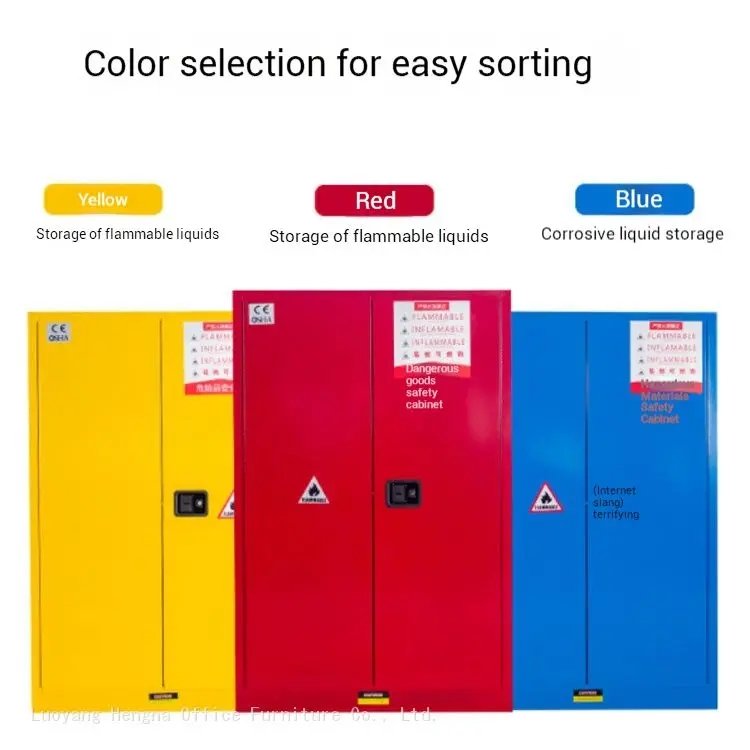
This is the most common installation error.
Heat sources include:
- Furnaces
- Welding equipment
- Boilers
- Heating pipes
- Ovens
- Industrial dryers
- High-temperature machines
Why this is dangerous:
- Flammable liquids release vapors
- Vapors expand with heat
- Pressure builds inside containers
- A small spark can cause ignition
Even though the cabinet is fire-resistant, the contents inside react to heat. Keeping the cabinet close to heat is like putting fuel next to a fire.
Recommended Safe Distance: At least 3 meters (10 feet)
2. Never Place the Gallon Cabinet in Direct Sunlight
Sunlight may seem harmless, but for chemicals, it can be extremely dangerous.
Direct sunlight causes:
- Heat buildup inside the cabinet
- Rising vapor pressure in containers
- Faster chemical degradation
- Discoloration and corrosion of labels
- Higher chance of leaks
The temperature inside a cabinet in the sun can be 20–30°C higher than indoor temperature.
Where sunlight hits, chemicals react faster.
Always keep the cabinet in a cool, shaded, and stable-temperature environment.
3. Never Block Emergency Exits or Hallways
Some workplaces place the cabinet:
- At the end of a walkway
- Near the warehouse door
- Along escape routes
- Close to emergency exits
This seems practical, but it’s actually a severe violation.
Why this is dangerous:
- During an emergency, people need a clear path
- Smoke reduces visibility; obstacles become deadly
- Firefighters need space to enter the building
- If the cabinet catches fire, it blocks the only escape
Rule of thumb:
Keep 2 meters (6.5 feet) of clear space around escape routes.
4. Never Put the Gallon Cabinet in Wet, Damp, or Low-Lying Areas

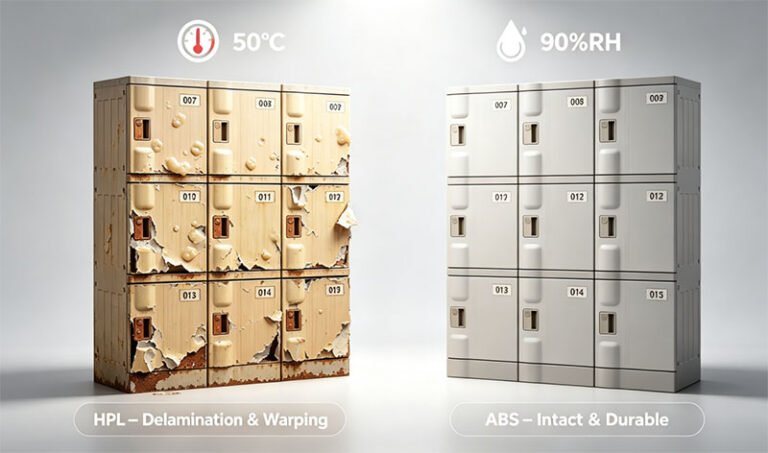
Chemical storage cabinets are made of metal. Water and chemicals do not mix well.
Wet areas cause:
- Rust and corrosion
- Damage to hinges and locks
- Instability of the cabinet
- Reaction between chemicals and humidity
- Mold or moisture buildup inside the cabinet
Low-lying areas are even worse because they:
- Collect water during spills or cleaning
- Increase risk of electrical shock if equipment is nearby
- Create slippery floors around dangerous chemicals
Ideal floor condition:
Dry, level, and well-ventilated.
5. Never Install the Gallon Cabinet in a Crowded or Narrow Space
Some workplaces put the cabinet:
- Behind machinery
- In a tight storeroom corner
- Under stairs
- In narrow hallways
This is a big mistake.
Why?
- Hard to open doors fully
- Hard to remove chemicals safely
- Poor ventilation
- Difficult to reach during emergencies
- Higher risk of collision with machines or forklifts
Rule:
Cabinet door must open at least 110°, and 1 meter of free space should be kept in front.
Where SHOULD You Place an Explosion-Proof Gallon Cabinet?
Here is a simple placement guideline:
✔ Recommended Locations for Safety Cabinets
| Best Location | Why It Works |
|---|---|
| Ventilated areas | Reduces vapor buildup |
| Temperature-controlled rooms | Keeps chemicals stable |
| Away from machinery | Reduces vibration and impact |
| Near (but not blocking) work areas | Convenient and safe |
| On dry, level floors | Prevents tipping and corrosion |
Ideal Setup Checklist
- No heat source within 3 meters
- No direct sunlight
- No water or moisture nearby
- Not blocking pathways
- Front space at least 1 meter wide
- Good airflow
- Stable floor surface
A proper installation dramatically increases safety.
Extra Tips for Safe Installation
1. Use Anti-Slip Mats
Helps reduce cabinet movement during vibration.
2. Anchor the Cabinet (if needed)
Some areas require seismic anchoring.
3. Label the Cabinet Clearly
Use “Flammable – Keep Fire Away” labels.
4. Keep Fire Extinguishers Nearby
But not right next to the cabinet.
5. Regularly Inspect Doors and Locks
Especially the three-point locking system.
Conclusion: Proper Installation Can Prevent Accidents
An explosion-proof gallon cabinet is designed to protect your workplace—but only if installed correctly.
By avoiding the 5 dangerous locations, you reduce the risk of:
- Fire
- Explosion
- Chemical leaks
- Worker injuries
- Equipment damage
- Legal issues
Safety is not only about the cabinet itself.
It’s also about where you put it.
A small change in installation can mean a huge difference in safety.
Frequently Asked Questions
How far from ignition sources should gallon cabinets be placed?
OSHA 29 CFR 1910.106 requires flammable storage cabinets to be at least 25 feet from ignition sources (open flames, sparks, hot surfaces). For facilities with limited space, the minimum distance is 10 feet if the cabinet is self-closing and properly ventilated. Never place cabinets near welding stations, grinding operations, or electrical panels with arc potential. The cabinet’s double-wall construction with 1.5-inch air gap provides thermal protection, but placement distance is the first line of defense.
Do gallon cabinets need to be grounded?
Yes. All flammable liquid storage cabinets must be grounded to prevent static electricity buildup. Our cabinets include a grounding lug (3/8-inch bolt) on the rear panel. Connect a grounding wire (minimum 12 AWG copper) from the lug to a verified ground point. Static discharge can ignite flammable vapors during dispensing operations. OSHA inspectors check grounding connections during routine safety audits.
How many gallons of flammable liquid can be stored in one cabinet?
Per NFPA 30, a single fire-rated storage cabinet can hold up to 60 gallons of Class I flammable liquids or 120 gallons of Class II/III combustible liquids. Our 60-gallon cabinets meet this maximum capacity. For larger quantities, use multiple cabinets spaced at least 25 feet apart, or designate a dedicated flammable storage room with fire-rated construction.