Gas cylinders are essential in many industries, from healthcare to manufacturing, providing gases like oxygen, nitrogen, and welding gases. However, these pressurized containers can be hazardous if not properly stored and handled. The right gas cylinder cabinet can provide a safe, secure, and efficient solution for storing cylinders, ensuring both compliance and safety.
In this article, we will explore the top 5 features that every gas cylinder cabinet should have in 2025 to ensure maximum safety, compliance, and durability. These features are designed to meet the needs of industries such as laboratories, medical facilities, manufacturing plants, and more.
1. Robust and Durable Material: Ensuring Long-Term Safety
When it comes to gas cylinder storage, the material of the cabinet is crucial. It must be able to withstand pressure, impacts, and exposure to harsh chemicals or gases. Steel is the most commonly used material for gas cylinder cabinets, but polypropylene (PP) and stainless steel options are gaining popularity for their added benefits.
- Steel Cabinets: Steel is durable, fire-resistant, and can withstand the weight of heavy cylinders. It’s also easy to maintain and clean.
- Polypropylene (PP) Cabinets: PP is corrosion-resistant, making it an excellent choice for storing gases that may leak or cause chemical reactions. PP is also non-toxic, providing extra safety in environments like laboratories.
- Stainless Steel Cabinets: Stainless steel cabinets provide both corrosion resistance and strength, especially in more extreme environments like medical facilities or chemical plants.
Why This Feature Matters:
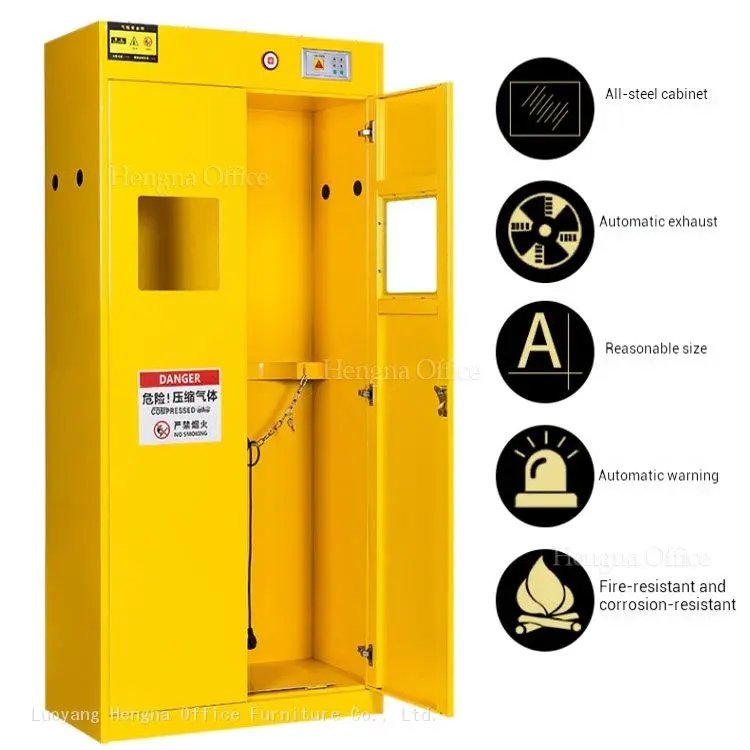
Gas cylinders are often stored for long periods, and exposure to environmental conditions such as moisture, heat, or chemicals can degrade the material of the storage cabinet. The right material protects both the cylinders and personnel from harm.
2. Ventilation System: Preventing Gas Buildup and Pressure Accumulation
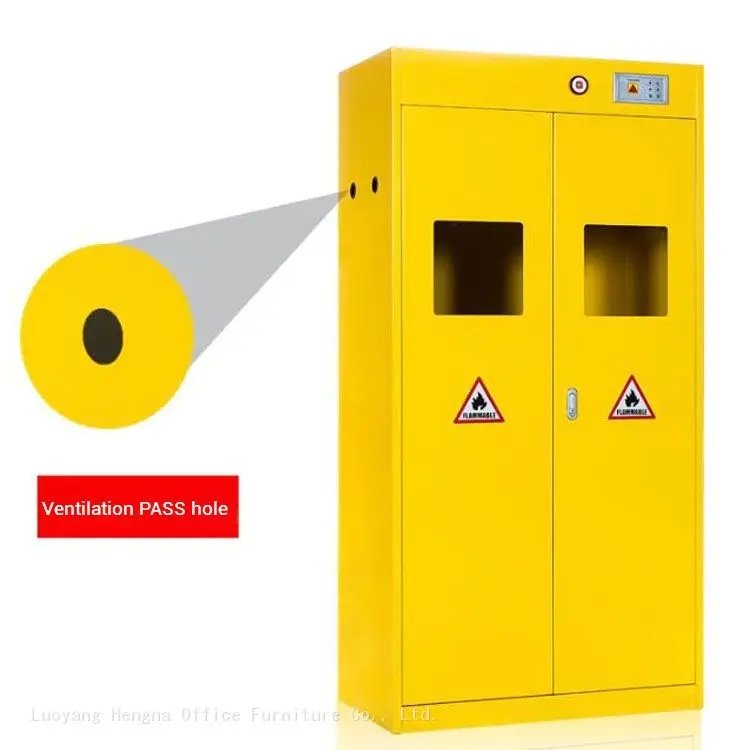
One of the most important features in a gas cylinder cabinet is ventilation. Gas cylinders can leak, and the gases they contain can be harmful if they accumulate. Proper ventilation ensures that any leaked gas is safely removed from the cabinet, preventing dangerous pressure buildup and potential explosions.
- Automatic Ventilation: Some modern cabinets feature automatic ventilation systems that activate when gas is detected inside. This ensures that harmful gases are removed quickly.
- Passive Ventilation: This is a simpler form of ventilation, relying on strategically placed holes or vents that allow air (and any leaked gas) to escape safely.
- Exhaust Fans: For environments with high-risk gases, cabinets can be equipped with exhaust fans that continuously remove gas and prevent accumulation.
Why This Feature Matters:
Without proper ventilation, a gas leak can cause pressure to build up inside the cabinet, which could lead to an explosion. A reliable ventilation system helps keep gases at safe levels and reduces the risk of accidents.
3. Gas Cylinder Cabinet with Double Locking Mechanism: Enhancing Security
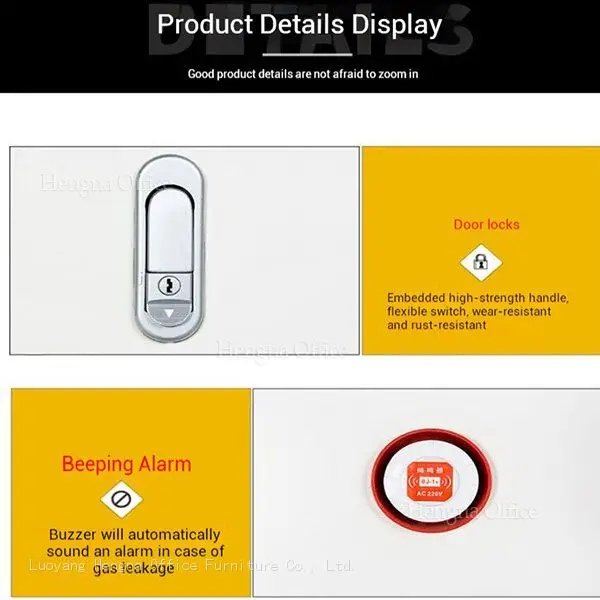
Security is paramount when storing hazardous gases. A double locking system offers enhanced security by making it more difficult for unauthorized personnel to access the cylinders. This is especially important in environments such as hospitals, laboratories, and industrial facilities where sensitive gases are stored.
- Electronic Locks: Some cabinets now feature electronic locks with keypads or biometrics for added security. These locks can be programmed to allow only authorized personnel access.
- Manual Locks: For more traditional setups, dual manual locks provide a simple yet secure way to keep the gas cylinders safe. These locks are easy to use but require a key to open.
- Emergency Access: Some cabinets come with an emergency release feature, allowing quick access in case of a fire or accident.
Why This Feature Matters:
Unauthorized access to gas cylinders can lead to accidents, theft, or misuse of potentially dangerous substances. A double-locking system prevents unauthorized personnel from tampering with the cylinders, keeping them safe.
4. Leak-Proof and Spill Containment System: Preventing Chemical Hazards
Gas cylinders are under pressure, and a small leak could cause serious harm if the gas is toxic, flammable, or corrosive. To address this, a leak-proof and spill containment system is essential in a gas cylinder cabinet.
- Leak-Proof Design: A good gas cylinder cabinet should have sealed edges or a raised base to prevent any gases or liquids from escaping into the environment. This is especially crucial for gases that can cause long-term environmental damage or pose health risks.
- Removable Trays or Sumps: Cabinets with a removable leak-proof tray can help contain any spills that occur within the cabinet. This feature allows for easy cleaning and maintenance while preventing the spread of hazardous substances.
Why This Feature Matters:
Leaked gas or spilled chemicals can quickly contaminate the environment, posing risks to workers, the surrounding area, and the atmosphere. A leak-proof design ensures that any leaks are contained and cleaned up quickly to minimize risks.
5. Clear Labeling and Warning Systems: Increasing Awareness
Proper labeling and warning systems are essential for ensuring that everyone working with gas cylinders is aware of the potential hazards. Gas cylinder cabinets must be equipped with clear labels, warning signs, and hazard indicators to inform users of the specific risks involved with the chemicals inside.
- Warning Labels: Cabinets should display bold warning labels that indicate the types of gases stored, the hazards associated with them, and safety precautions to take.
- Color-Coded Systems: Some cabinets use color-coded labels or warning lights to help users quickly identify the contents and level of danger.
- Alarm Systems: Modern cabinets are often equipped with integrated alarm systems that notify personnel in case of a leak, high pressure, or temperature rise.
Why This Feature Matters:
Clear labeling and alarm systems make it easier for personnel to act quickly and appropriately in the event of an emergency. By providing clear instructions and alerts, these features help prevent accidents and ensure proper handling of the gas cylinders.
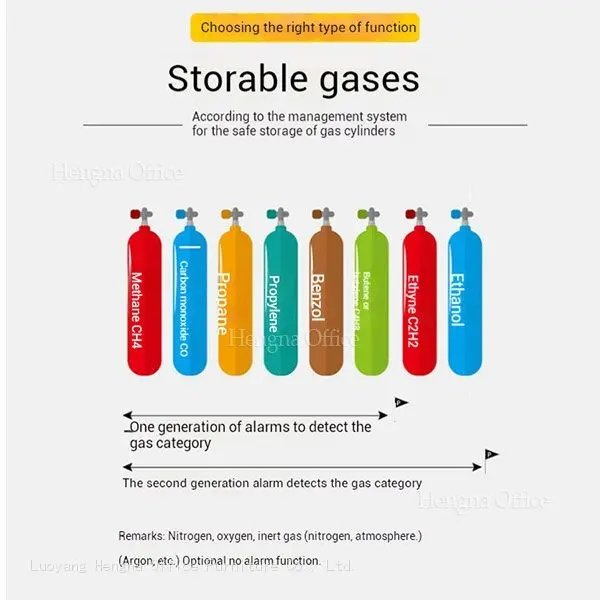
Conclusion: Choosing the Right Gas Cylinder Cabinet
In 2025, gas cylinder safety has never been more important. With advancements in design and technology, modern gas cylinder cabinets now offer more features than ever before.
The five key features—robust materials, ventilation, double-locking mechanisms, leak-proof containment, and clear labeling—work together to provide a safe, secure, and compliant environment for gas storage. Whether you’re managing a laboratory, hospital, or industrial plant, selecting the right gas cylinder cabinet is critical for protecting your team, ensuring safety, and maintaining compliance with regulations.
By choosing a cabinet with these features, you can help ensure that your gas cylinders are stored safely, reducing risks and improving overall safety standards.