Introduction
In laboratory environments, gas cylinders are essential for a wide range of experiments and processes. Whether it’s inert gases like nitrogen, flammable gases such as hydrogen, or toxic gases like chlorine, each type of gas presents its own unique risks. To mitigate these risks, proper storage is critical. However, one size does not fit all when it comes to gas cylinder cabinets. A single, universal cabinet cannot provide the necessary safety and security for every type of gas.
This blog will explore why a one-size-fits-all approach to gas cylinder storage is not recommended, particularly when dealing with inert, flammable, and toxic gases. We will examine the specific risks each type of gas presents, the requirements for safe storage, and how laboratory managers can ensure compliance by selecting the appropriate gas cylinder storage solutions.
Understanding Different Types of Gases and Their Risks
Before we dive into storage solutions, it’s essential to understand the unique properties and risks associated with inert, flammable, and toxic gases.
1. Inert Gases (e.g., Nitrogen, Argon)
Inert gases like nitrogen, argon, and helium are non-reactive and commonly used in laboratory settings for creating controlled environments, purging systems, and preserving the integrity of experiments. While they are not directly harmful, the risk they pose lies in their ability to displace oxygen in enclosed spaces, leading to suffocation hazards.
Risks of Inert Gases:
- Oxygen displacement: In confined or poorly ventilated spaces, inert gases can displace oxygen, leading to a risk of asphyxiation.
- Pressure hazards: Even though inert gases are non-toxic, they are stored under high pressure, which can cause accidents if cylinders are improperly handled or stored.
2. Flammable Gases (e.g., Hydrogen, Acetylene, Methane)
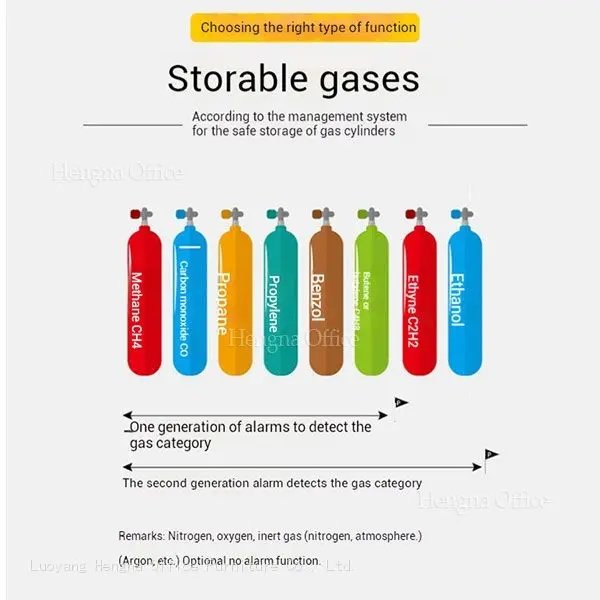
Flammable gases like hydrogen, acetylene, and methane are essential for various processes, including welding, chemical synthesis, and fuel applications. However, these gases are highly volatile and pose significant fire and explosion risks.
Risks of Flammable Gases:
- Explosion hazards: Flammable gases are highly susceptible to ignition, even with small sparks or heat sources.
- Fire risks: Improper storage or handling can lead to leaks, and in a confined space, a gas leak can quickly escalate into a fire.
3. Toxic Gases (e.g., Chlorine, Ammonia, Phosgene)
Toxic gases such as chlorine, ammonia, and phosgene can be deadly even in small concentrations. These gases are often used in chemical research and manufacturing but pose significant health risks if inhaled or exposed to skin.
Risks of Toxic Gases:
- Health risks: Exposure to toxic gases can cause respiratory issues, chemical burns, and even death.
- Leakage concerns: Toxic gases are often odorless or have low detection thresholds, which makes them particularly dangerous if a leak occurs without immediate detection.
Why One Gas Cylinder Storage Cabinet Cannot Meet All Needs
Each type of gas presents distinct challenges when it comes to safe storage. As such, a universal gas cylinder cabinet—designed to store all types of gases—fails to meet the safety, compliance, and operational needs of a laboratory dealing with different types of gases. Here’s why:
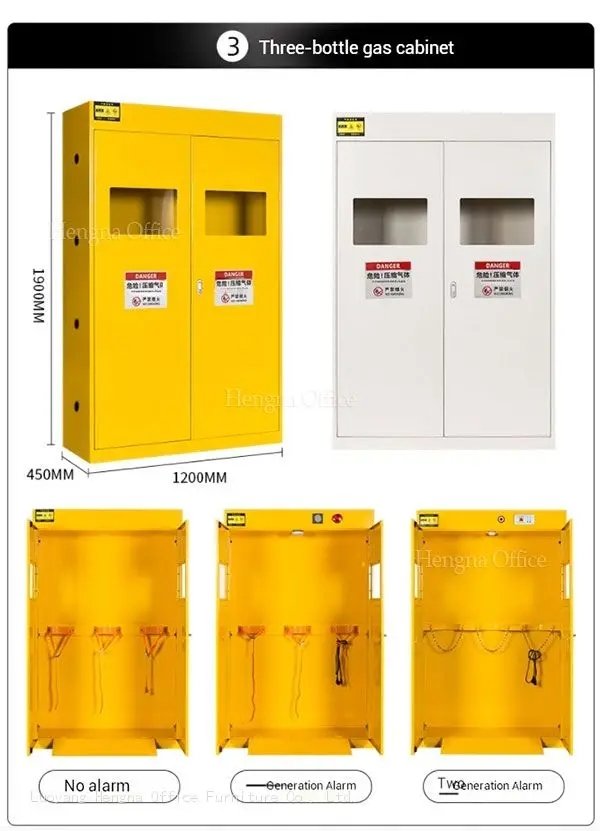
1. Different Gas Cylinder Storage Requirements for Different Gases
- Inert gases: Although inert gases are not reactive, they still require proper ventilation to prevent oxygen displacement. An inert gas storage cabinet should have a venting system to ensure any accidental release of gas is safely expelled from the room.
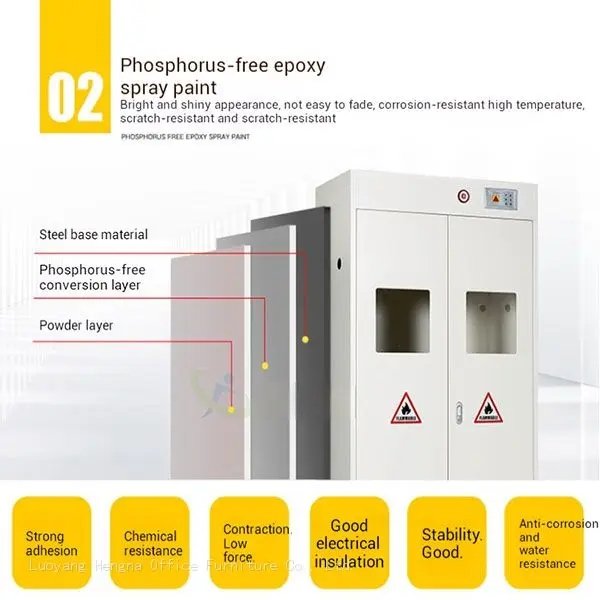
- Flammable gases: Flammable gases need to be stored away from any ignition sources. A gas cylinder cabinet for flammable gases must be equipped with features such as explosion-proof ventilation systems, spark-free electrical components, and fire-resistant materials to minimize the risk of combustion.
- Toxic gases: Toxic gases require a specialized storage system with tight seals, advanced ventilation systems, and leak detection sensors. Gas cylinders containing toxic substances must be stored in cabinets that can contain a leak and prevent exposure to harmful levels of gas.
2. Ventilation and Containment Systems of Gas Cylinder Storage
Proper ventilation is critical for all gas types, but each gas requires different methods of ventilation:
- Inert gases: Ventilation is necessary to prevent oxygen depletion in case of leakage, but the system should not create an area of negative pressure that could exacerbate the situation.
- Flammable gases: Ventilation systems for flammable gas cabinets must be explosion-proof and capable of removing any potential flammable vapors before they reach an ignition source.
- Toxic gases: Toxic gas cabinets need high-quality air filtration and ventilation systems to prevent the spread of harmful fumes, ensuring that any leak is contained and directed outside the building.
3. Physical Separation of Gas Cylinder Storage
- Inert gases: These gases do not require strict separation from other gases, but it’s important to ensure they are stored in a space that allows for sufficient airflow to prevent asphyxiation risks.
- Flammable gases: These gases must be stored separately from oxidizing gases (like oxygen) and other flammable materials to prevent combustion. Storing them in a shared cabinet with other gases can create a dangerous risk of explosion.
- Toxic gases: These gases need to be stored in completely isolated, well-sealed cabinets to prevent contamination of the laboratory environment. They must not be stored near other types of gases, especially flammable or reactive ones.
4. Safety Features
The safety features required for a gas cylinder cabinet differ greatly depending on the gas type:
- Inert gases: Basic pressure relief valves and venting mechanisms are necessary.
- Flammable gases: These cabinets should include flame arrestors, explosion-proof valves, grounding, and spark-proof electrical systems.
- Toxic gases: Leak detection sensors, emergency shut-off valves, and gas masks for emergency response are critical components of toxic gas storage.
Choosing the Right Gas Cylinder Storage Cabinet
Laboratories dealing with multiple gas types must choose specialized cabinets that cater to each type of gas. Here are some factors to consider when selecting gas cylinder storage solutions:
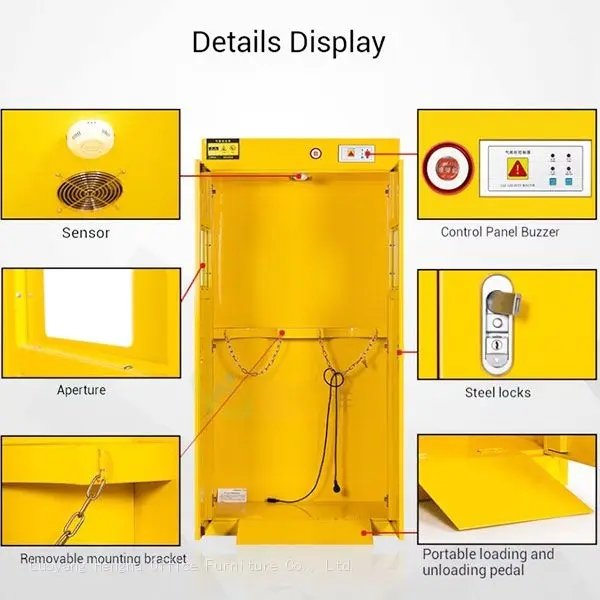
1. Assess the Types of Gases in Use
Start by identifying the types of gases your laboratory uses most frequently. This will determine the features you need in your gas cylinder cabinets.
2. Consider Space and Ventilation Needs
Ensure that your gas cylinder cabinet offers adequate space for each cylinder and includes the appropriate ventilation mechanisms for the specific type of gas stored.
3. Ensure Compliance with Local and International Regulations
Check that your gas cylinder storage solution meets local safety standards (e.g., OSHA in the U.S., NFPA, and European Union standards) for the storage of inert, flammable, and toxic gases.
4. Choose Modular or Multi-Compartment Gas Cylinder Storage
Consider modular storage options or multi-compartment cabinets that can store different types of gases in separate sections with tailored safety features for each type.
5. Safety Features and Emergency Protocols
Make sure your gas cylinder storage solution is equipped with the necessary safety features such as leak detection sensors, fire suppression systems, and emergency shutoff valves.
Conclusion
Proper gas cylinder storage is an essential part of laboratory safety. However, a one-size-fits-all approach to gas cylinder cabinets simply does not work due to the unique risks associated with inert, flammable, and toxic gases. Each type of gas requires different storage conditions, safety features, and handling procedures to ensure the safety of laboratory personnel, prevent accidents, and comply with regulatory standards.
To ensure maximum safety, laboratory managers must assess the types of gases used in their laboratory and invest in specialized gas cylinder storage solutions. By selecting the right cabinet for each type of gas, laboratories can significantly reduce the risks associated with gas storage and create a safer working environment for everyone.