Maintaining a well-organized and efficient workspace is key to any facility’s success, especially when it comes to storing tools and equipment. Whether you’re working in a factory, workshop, or large repair station, a heavy-duty tool cabinet can significantly improve your operations by keeping tools secure, accessible, and in top condition. This guide will walk you through the essential aspects of maintaining your tool cabinet to ensure its durability, safety, and optimal functionality.
Understanding the Heavy Duty Tool Cabinet
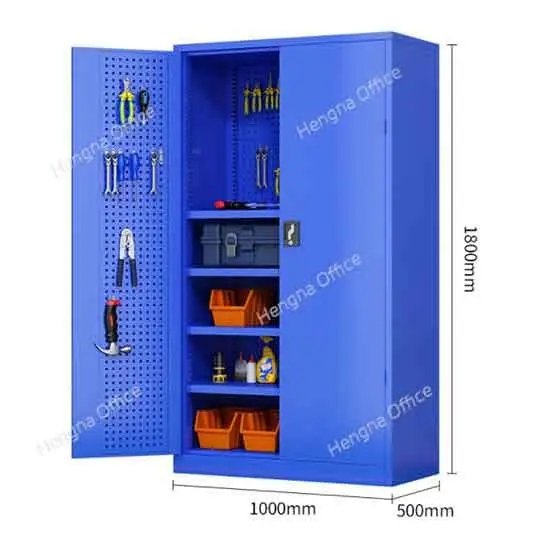
Heavy duty tool cabinets are designed to withstand the rigorous demands of industrial and commercial environments. Typically built from high-strength cold-rolled steel (SPCC), these cabinets provide a robust storage solution for tools, parts, and materials. The versatility of these cabinets is due to their modular design, which allows customization according to your specific storage needs. These cabinets are available in various sizes, including models that can house large and heavy tools while optimizing space.
Key Features:
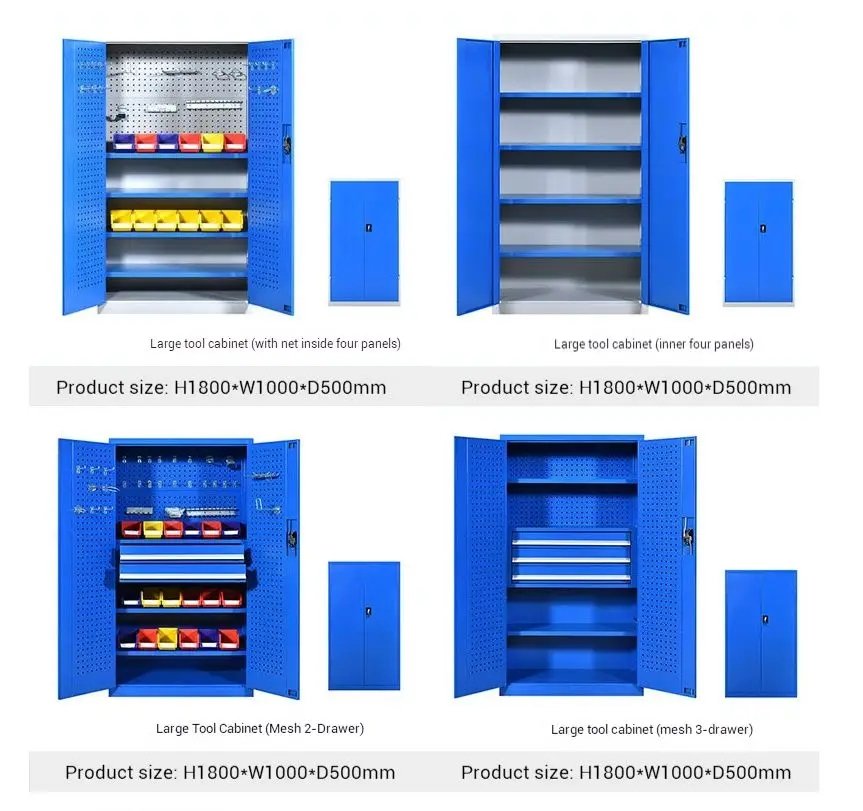
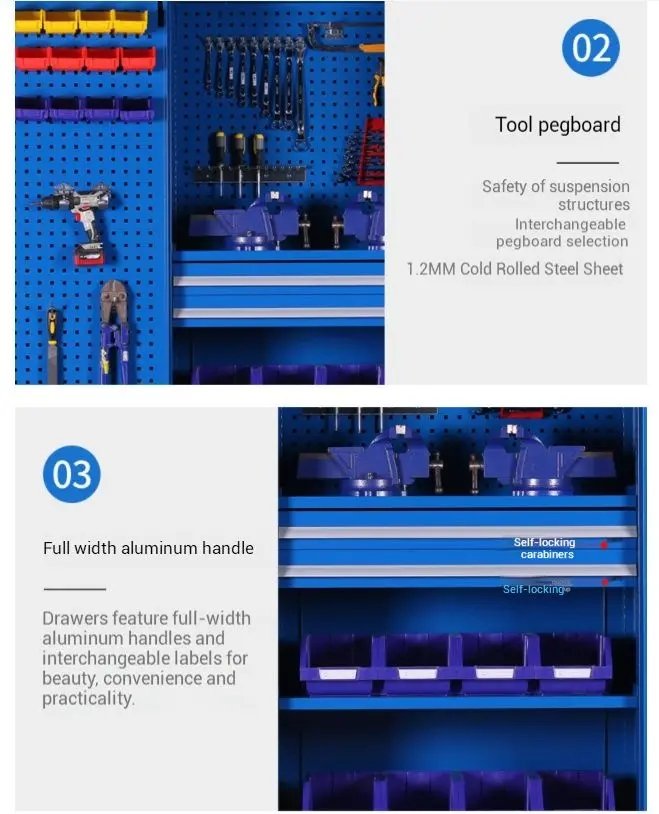
- High Strength Construction: Made from cold-rolled steel, these cabinets offer exceptional durability and strength to handle heavy-duty tools and equipment.
- Modular Design: Flexible storage options with adjustable shelves and drawers, allowing customization to fit different tool sizes and organizational needs.
- Safety and Security: With features like secure locks and anti-theft measures, these cabinets ensure that valuable tools and equipment are protected.
- Space Efficiency: Modular pegboards, adjustable shelves, and drawers help you maximize available space, making it easier to organize and access tools.
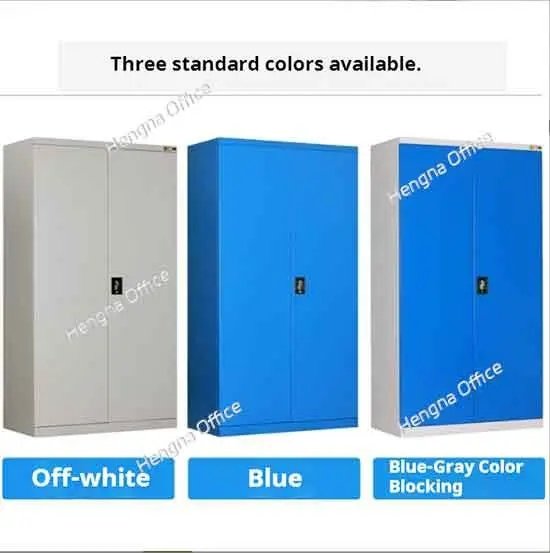
- Color Options: Available in various colors like blue, white, and gray to blend into different work environments while enhancing the visual appeal.
Proper Installation and Setup
Before diving into maintenance, setting up the tool cabinet properly is crucial for its longevity and performance.
1. Choosing the Right Location
Ensure that the cabinet is placed on a flat, stable surface. Ideally, choose an area that allows easy access to the drawers and provides ample space for the doors to open fully. For safety, avoid locations that are prone to high moisture or excessive temperature fluctuations.
2. Leveling the Cabinet
Use a level to check that the cabinet is perfectly horizontal. Adjust the feet at the bottom of the cabinet to ensure even weight distribution. This will prevent doors and drawers from misaligning, which can cause operational issues.
3. Handling During Installation
It’s important to move the cabinet carefully to avoid damage. If the cabinet is large, two people should handle it during positioning. Once placed, test each drawer to ensure smooth movement before use.
Daily Use Guidelines for Optimal Performance
To keep your tool cabinet in excellent working condition, follow these simple daily use practices:

1. Weight Distribution
Store the heaviest tools at the bottom of the cabinet to prevent the cabinet from becoming top-heavy, which could lead to tipping. Lighter tools should be stored in the upper drawers to avoid unnecessary strain on the cabinet’s structure.
2. Drawer Operation
Avoid slamming drawers shut. Gently open and close the drawers to reduce wear on the tracks and mechanisms. Never pull out multiple drawers at once, as this could unbalance the cabinet and cause damage.
3. Organizing Tools
For better organization, make use of the adjustable dividers and pegboards inside the cabinet. Label each section to make tools easy to find and prevent clutter from accumulating.
Routine Maintenance and Care
Proper maintenance extends the life of your tool cabinet and ensures smooth, trouble-free operation. Here’s how to keep it in peak condition:
1. Cleaning
Dust and debris can accumulate over time, leading to corrosion or mechanical issues. Clean the cabinet regularly with a soft cloth. For tough grease and stains, use a mild, non-abrasive cleaner. Avoid harsh solvents that can damage the cabinet’s surface.
2. Lubrication
To keep the drawers and doors functioning smoothly, lubricate the moving parts at least once every 6 to 12 months. Use a lithium-based grease for the drawer slides and locks. This will help reduce friction and prevent wear, ensuring that drawers open and close effortlessly.
3. Check for Loose Parts
Every few months, check the cabinet for any loose bolts, screws, or hinges. Tighten them as necessary to maintain the stability and security of the cabinet. Pay close attention to the lock mechanisms to ensure they remain secure and functional.
4. Inspect the Locks
If your tool cabinet has a lock, it’s important to maintain its integrity. Over time, locks can wear down or become misaligned. Regularly check the lock for smooth operation and lubricate it to prevent rust or stiffness.
5. Releveling
If the cabinet seems uneven after some time, recheck its level and adjust the feet accordingly. Uneven cabinets can lead to problems with drawer movement or even cause items to fall out of place.
Advanced Maintenance Tips
While routine care can keep your tool cabinet in good working order, there are some additional steps you can take to ensure the cabinet remains as effective as possible.
1. Reinforce Heavy Sections
If you’re storing particularly heavy tools, consider reinforcing certain sections of the cabinet. You can add extra support to shelves or install additional brackets to prevent warping under heavy loads.
2. Protecting the Finish
To keep the cabinet’s appearance looking new, you may want to apply a protective coating to the surface. A clear coat will help preserve the paint, preventing scratches and chips from affecting the cabinet’s visual appeal.
3. Monitoring Structural Integrity
For larger cabinets, regularly inspect the structural integrity of the frame and hinges. Even minor issues such as cracks or bent frames can escalate into serious problems. If you notice any damage, consider contacting the manufacturer for repair or replacement parts.
Where to Use Heavy Duty Tool Cabinets
Heavy duty tool cabinets are essential in a variety of industries. Here’s a closer look at where these cabinets are commonly used:
- Industrial Manufacturing: For storing tools, fixtures, and consumables used in the production process.
- Equipment Maintenance: In workshops and automotive repair stations to store hand tools, mechanical parts, and accessories.
- Warehouse and Logistics: Tool cabinets help organize inventory and maintenance equipment for warehouses, ensuring tools are easy to access and securely stored.
- Research Labs: In laboratories where precision tools and instruments need to be safely stored and organized.
- Construction Sites: Tool cabinets help keep tools secure, organized, and easily transportable, ensuring teams are efficient and productive.
Conclusion
Proper maintenance of your heavy-duty tool cabinet is key to maximizing its lifespan and ensuring it continues to serve your needs effectively. By following simple installation tips, daily use guidelines, and maintenance practices, your tool cabinet will stay in excellent condition, providing you with years of reliable service. Whether in an industrial setting, workshop, or laboratory, investing time in care will keep your tools organized and ready for any task.